-
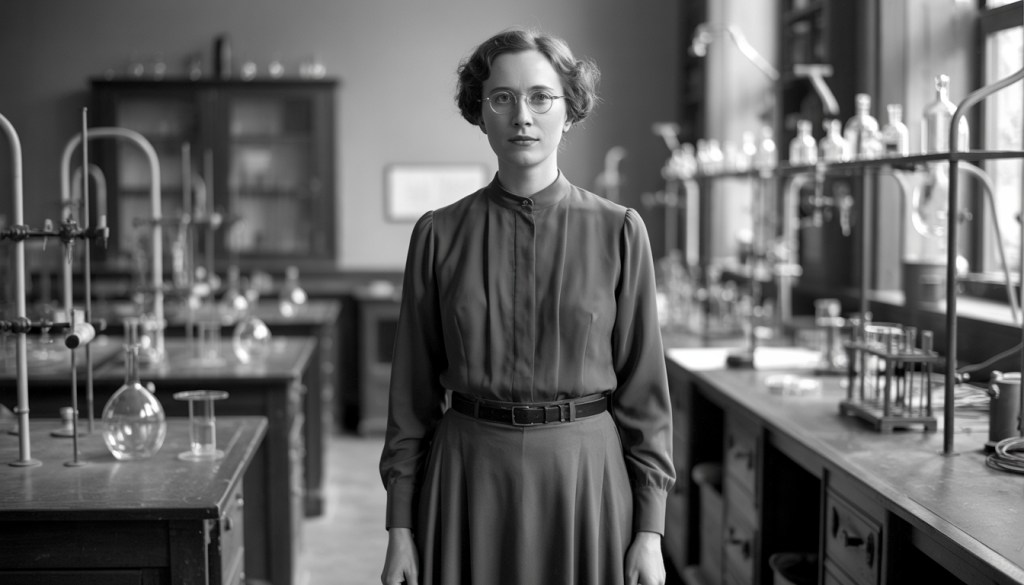 Continue reading →: Gertrud Woker on Chemical Safety and Scientific Courage: The Pioneer Who Warned Against Leaded Petrol in 1917
Pioneering biochemist Gertrud Woker (1878-1968) warned against lead toxicity in petrol and chemical warfare whilst battling institutional sexism. This fictional interview explores her groundbreaking catalytic research, prescient safety warnings ignored by industry, and fierce activism with the Women’s International League for Peace and Freedom, embodying her principle: “science should heal,…
-
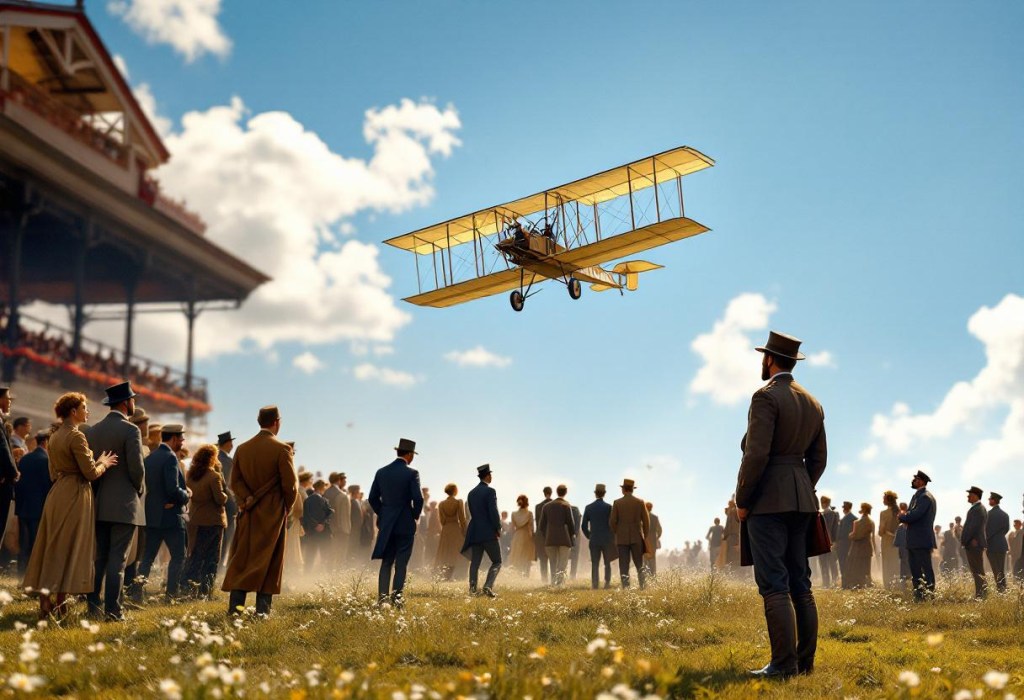 Continue reading →: Ascent
Le Mans Racecourse, France – 8th August 1908 Part I:The Doubter The morning mist clung to the meadows surrounding Le Mans like a shroud over yesterday’s certainties. Henri Delacroix shifted uncomfortably on the hard wooden bench as the local train wheezed to a halt, its steam mingling with the pale…
-
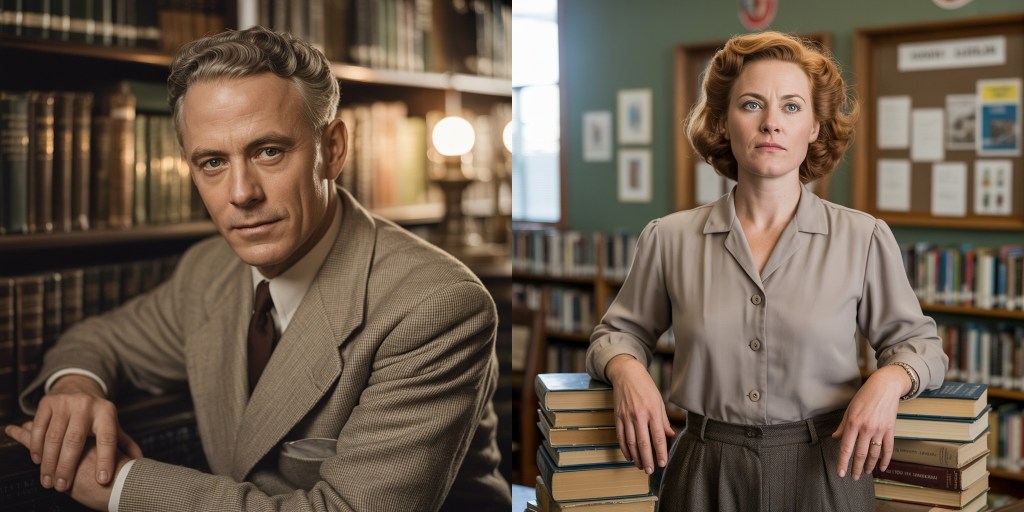 Continue reading →: To Her in Nebraska, 1944
67 Beacon Street, Boston, Massachusetts15th November, 1944 My Dearest Sarah, The lamplight flickers against these November-darkened windows as I take up my pen this evening, and I find myself thinking of Wordsworth’s lines: “The best portion of a good man’s life, his little, nameless, unremembered acts of kindness and of…
-
 Continue reading →: Jeanne Baret on Gender, Science, and the First Female Circumnavigation: An Exclusive Interview with History’s Hidden Botanist
Disguised as a man, French botanist Jeanne Baret became the first woman to circumnavigate the globe (1766-1774), collecting over 6,000 plant specimens including Bougainvillea. Despite her expertise revolutionising botanical science, her contributions were systematically erased and credited to male colleagues, highlighting enduring barriers facing women in STEM fields.
-
 Continue reading →: Shadows
Hampton Court Palace, Middlesex, England – 7th August 1606 Scene I:“Fair is foul, and foul is fair” The shadows behind the makeshift stage felt heavier tonight, as though they carried the weight of kingdoms within their folds. William Shakespeare pressed himself against the oak-panelled wall of Hampton Court Palace’s Great…
-
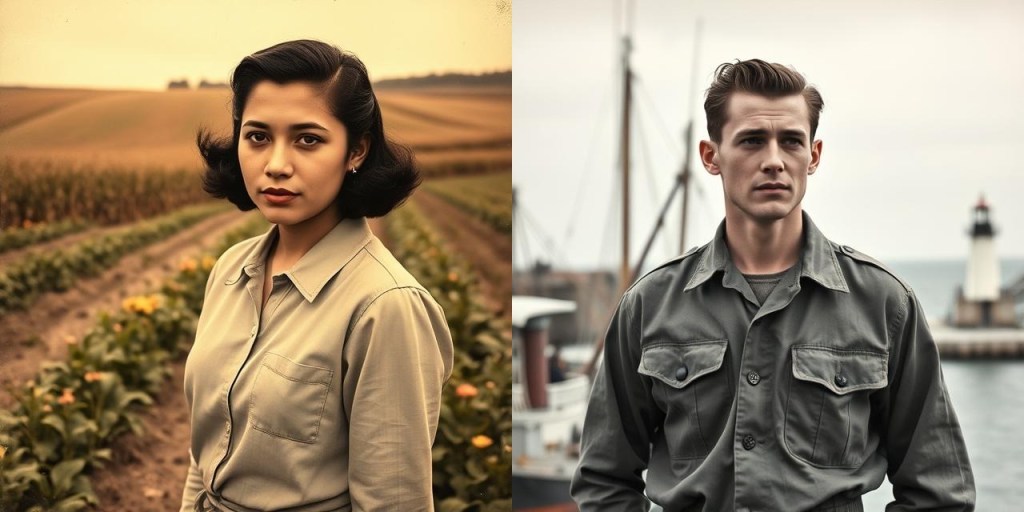 Continue reading →: To Her Rhode Islander in England, 1943
Miss Florence Marie Hernandez1247 County Road KVerona, Wisconsin 15th October, 1943 My Dearest Henry, Your latest letter arrived yesterday morning, nestled amongst the usual collection of agricultural reports and government circulars that cross my desk. I confess I nearly tore it open right there in the office, propriety be damned,…
-
 Continue reading →: Anna Morandi Manzolini on Revolutionising Anatomy with Lifelike Wax Models
Anna Morandi Manzolini revolutionised 18th-century medical education through meticulously crafted wax anatomical models, dissecting over 1,000 cadavers while making groundbreaking discoveries about sensory organs. Despite institutional bias denying her deserved university positions, this Bologna-based scientist created permanent teaching tools that prefigured today’s digital medical education innovations.
-
 Continue reading →: Salt and Champagne
Dover, England – 6th August 1926 Part I: The Arrival The marble beneath my bare feet felt colder than the Channel waters I’d conquered fourteen hours before. Each step through the Grand Hotel’s lobby sent tremors up my salt-crusted legs, and I pulled the borrowed overcoat tighter round my shoulders,…
-
 Continue reading →: To Her in Maine, 1942
Corporal Robert NelsonCommunications OfficerSignal Corps Unit 47APO 512, c/o PostmasterNew York, New York 15th October 1942 My Dearest Martha, I find myself writing to you in the peculiar hush that settles over the barracks after evening mess, when the usual cacophony of voices and wireless static fades into something approaching…
-
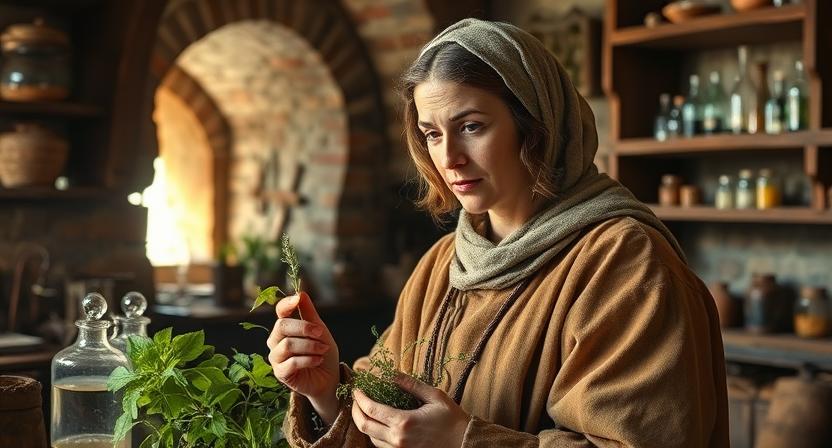 Continue reading →: Trota of Salerno on Gender Bias in Medieval Medicine: The Pioneering Gynecologist Erased from History
Medieval physician Trota of Salerno revolutionised women’s healthcare with groundbreaking treatments for childbirth, fertility, and cosmetics. Her influential work “On Treatments for Women” shaped European medicine for centuries, yet her identity was erased when male scholars attributed her contributions to mythical figures, exemplifying systematic erasure of women’s medical knowledge.
Feign the virtue thou dost seek, till it becometh thine own

Recent Posts
- Caroline Eichler: Springs, Silver and the Art of Walking Again
- The Door of My Lips
- Twenty Metres of Chain
- Look Up: Why We Feel Most Alive When Comfort Fails
- Anna Winlock: The Computer Who Measured the Sky by Hand
Categories

