-
 Continue reading →: Learning to Stand Still
Father Walsh’s potential transfer forces Catherine to examine seven years of dawn walks – and whether her sacred exercise routine has been sophisticated avoidance dressed as self-care. Courage might mean learning to stand still instead of perpetually moving through.
-
 Continue reading →: Mary Julia Wade: The Taphonomist Who Made Studying Earth’s Earliest Animals Possible
Palaeontologist Mary Julia Wade explains how Earth’s first animals fossilised 550 million years ago – and why her taphonomic breakthrough became invisible infrastructure. From Ediacaran soft-bodied organisms to Queensland dinosaur stampedes, she discusses scientific memory, collaborative erasure, and claiming your work.
-
 Continue reading →: Knees Won’t Heal
A British soldier on his third rotation at a dusty Helmand crossroads battles a swollen knee, mounting frustration, and the grinding reality of patrol duty. As cold stars shine overhead, he reflects on the body’s limits and war’s endless repetition.
-
 Continue reading →: The Astronomy of Here
A hypothetical question about lunar travel prompts Catherine to weigh the cost of escape against the gravity of staying. Between harbour walks and risotto, she discovers that transcendence might look less like launching and more like remaining.
-
 Continue reading →: Ida Henrietta Hyde: She Created the Tool That Won Others Fame in Neuroscience
Ida Henrietta Hyde invented the microelectrode in 1921 – three decades before the electronics existed to prove its worth. By then, men had reinvented her device and claimed the glory. She reflects on being first, forgotten, and fundamentally erased from neuroscience history.
-
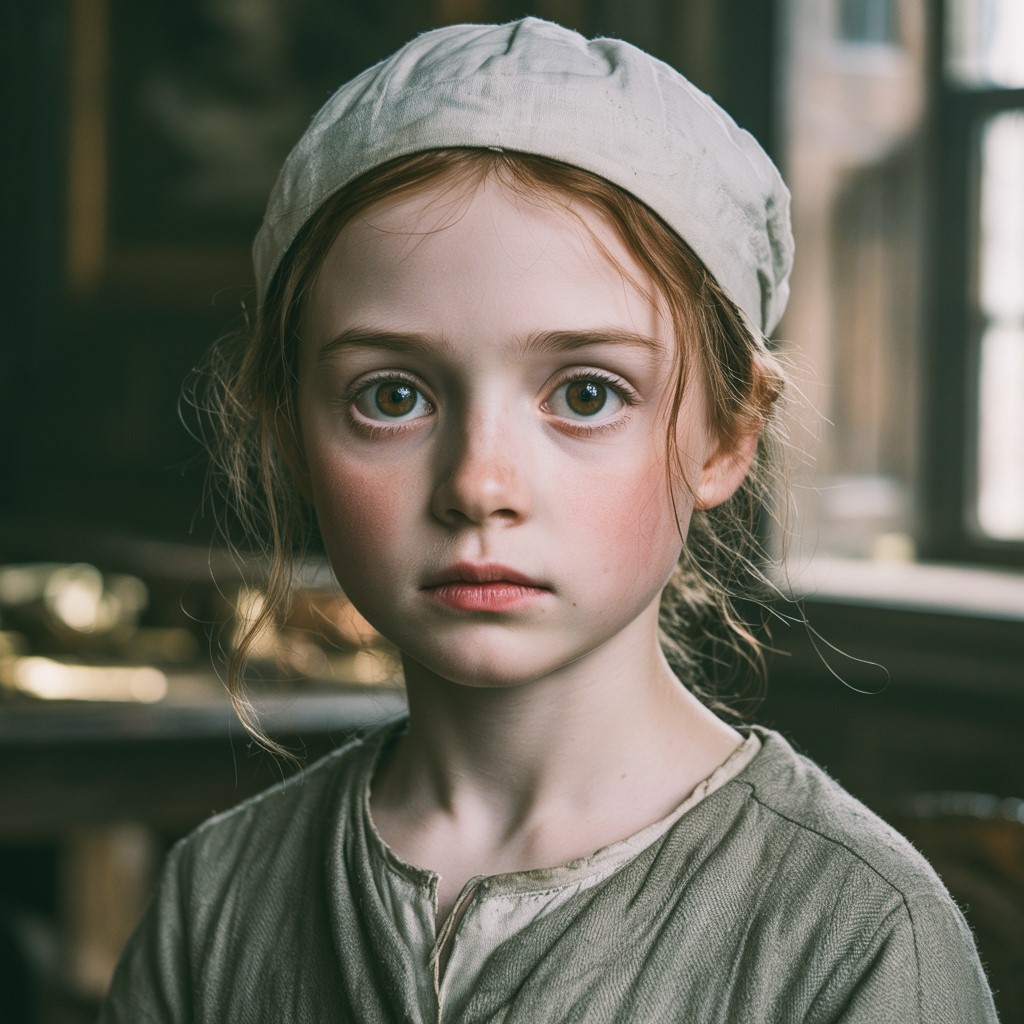 Continue reading →: The Devil’s Question
October 1766. A young girl takes refuge in a cold turret-room, her belly empty and her mind wandering to impossible dreams. When offered a journey to the moon, she must weigh the price of fancy against the value of bread.
-
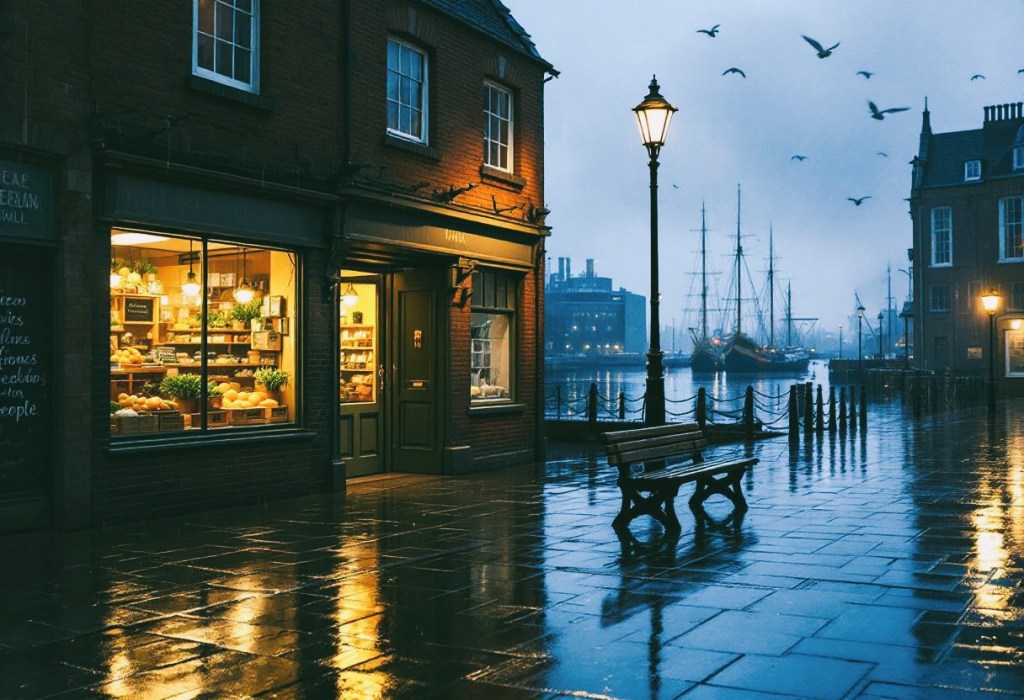 Continue reading →: Adjacent Doors
Catherine considers “adjacent doors” to her vocation: museum quiet rooms, harbour chaplaincy, a community-college seminar, a modest cooking circle, and sketch mornings by the water – less reinvention, more reallocation – as friends nudge, rain stitches the harbour, and permission becomes practice.
-
 Continue reading →: Fe del Mundo: How appropriate technology beat expensive medicine at saving lives
Fe del Mundo invented a life-saving incubator from bamboo baskets and hot water bottles, yet medical history forgot her. She discusses appropriate technology, postcolonial science hierarchies, the BRAT diet’s global spread, and why preventing deaths leaves no dramatic stories.
-
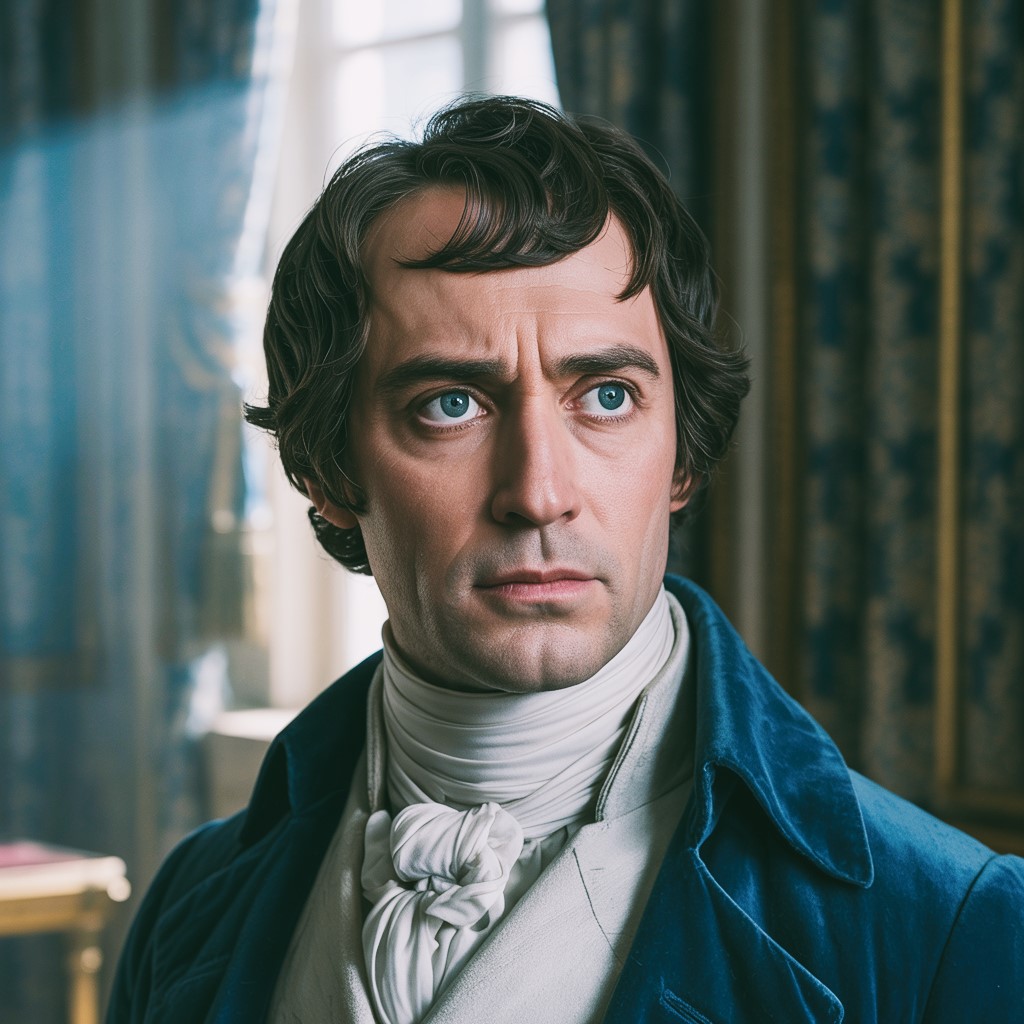 Continue reading →: Wind’s Memory
Confined within gilded chambers in 1808, a fallen statesman reflects on lost freedom, the whisper of wind beyond his cell, and the lives he might have lived. Dreams, philosophy, and memory entwine in this haunting meditation on captivity.
-
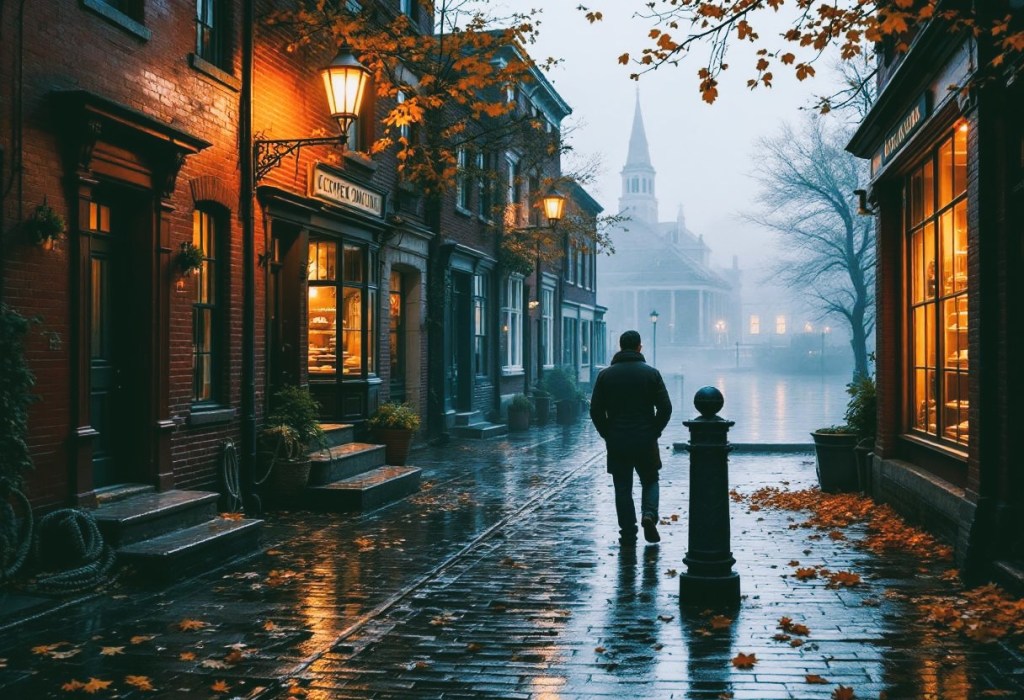 Continue reading →: Ladle and Listen
Harbour psychiatrist Catherine plates lemon‑fennel shrimp risotto, stirs safety into supper, then walks to Bartók with a man who volunteers the washing‑up – attention as love, stock as testimony, New Corinth fog lifting like a benediction over second chances.
Feign the virtue thou dost seek, till it becometh thine own

Recent Posts
- Caroline Eichler: Springs, Silver and the Art of Walking Again
- The Door of My Lips
- Twenty Metres of Chain
- Look Up: Why We Feel Most Alive When Comfort Fails
- Anna Winlock: The Computer Who Measured the Sky by Hand
Categories

