-
 Continue reading →: The Last Librarian of Crowsbeck
The library symbolises the past, filled with memories and stories as Miss Hargreaves prepares for its closure amidst the rise of technology. Together with Thomas, she investigates an arson case, emphasising the value of physical evidence over digital reliance. Nostalgia intertwines with loss as she reflects on forgotten connections and…
-
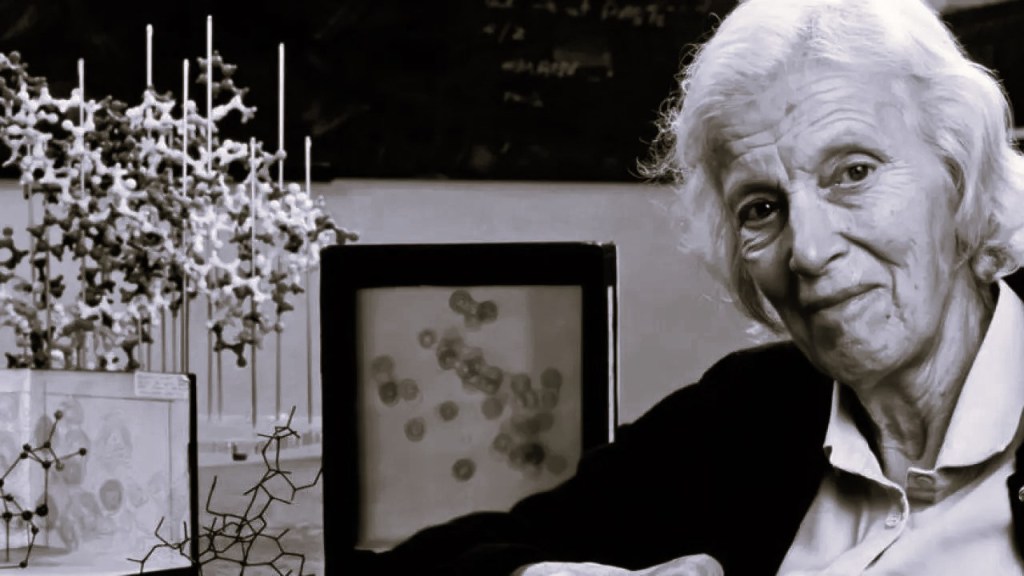 Continue reading →: The Brilliant Scientist Britain Chose to Forget: Dorothy Crowfoot Hodgkin’s Extraordinary Legacy
Dorothy Crowfoot Hodgkin, the only British woman Nobel laureate in sciences, revolutionized X-ray crystallography, uncovering penicillin, vitamin B12, and insulin structures. Despite her groundbreaking contributions, systematic prejudice obscured her achievements, reducing her to a “housewife” label. Hodgkin’s legacy emphasizes the importance of recognizing women’s roles in science and inspiring future…
-
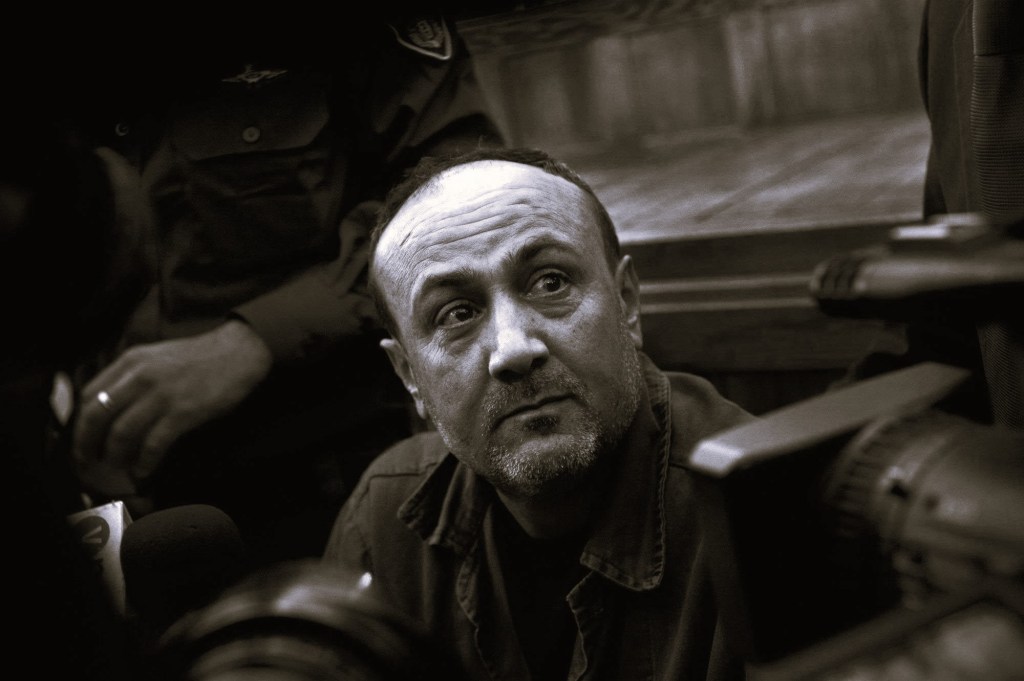 Continue reading →: The Palestinian Mandela: Why Marwan Barghouti Remains the Key to Peace
Marwan Barghouti, despite his imprisonment, remains a highly popular Palestinian leader, uniting factions through a blend of resistance and negotiation. Amidst the Gaza war, he advocates for a two-state solution and democratic governance. His unique ability to bridge divides positions him as a potential peacemaker crucial for Palestinian aspirations.
-
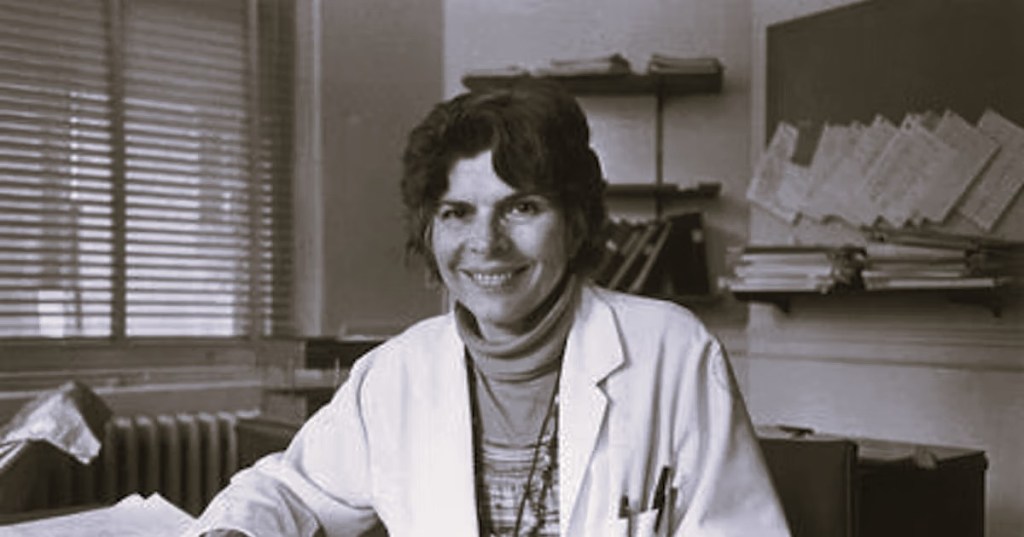 Continue reading →: Dr Helen Rodríguez-Trías: The Forgotten Champion Who Transformed Healthcare for the Dispossessed
Dr. Helen Rodríguez-Trías, a pioneering physician and advocate, transformed public health by combating injustices in healthcare, particularly for women of color. She reduced infant mortality in Puerto Rico, addressed sterilisation abuses, and advanced AIDS care. Her legacy challenges healthcare professionals to prioritise equity, dignity, and justice in medicine.
-
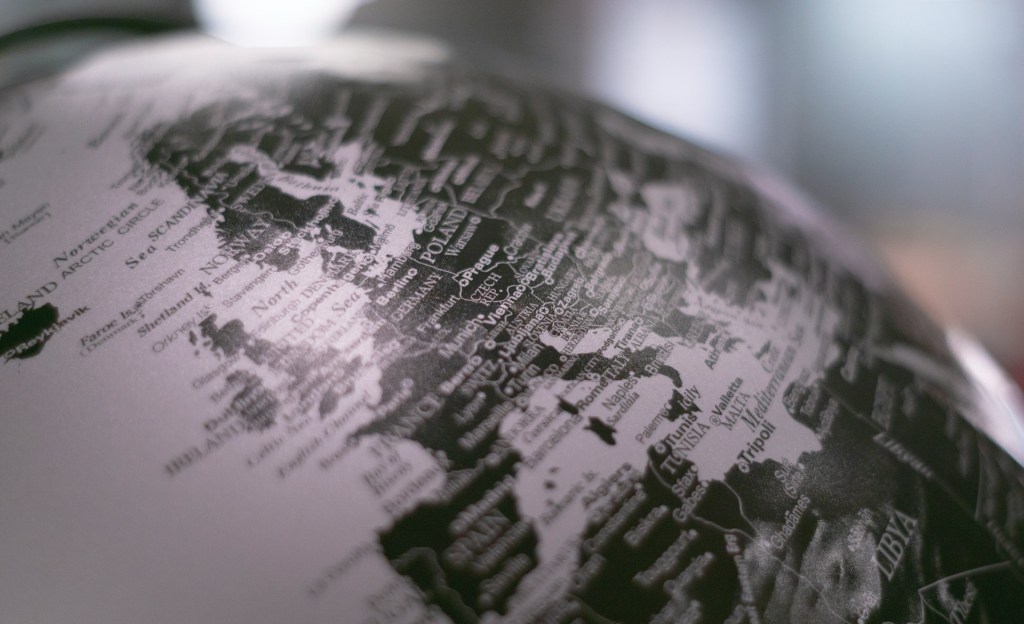 Continue reading →: The New Exodus: When America’s Scientific Elite Vote with Their Feet
The dramatic increase in Americans applying for British citizenship, particularly during Trump’s presidency, highlights a significant brain drain fueled by political and social fears. As European countries capitalise on this exodus, the implications for American science and intellect are dire, questioning the nation’s commitment to progress and human values.
-
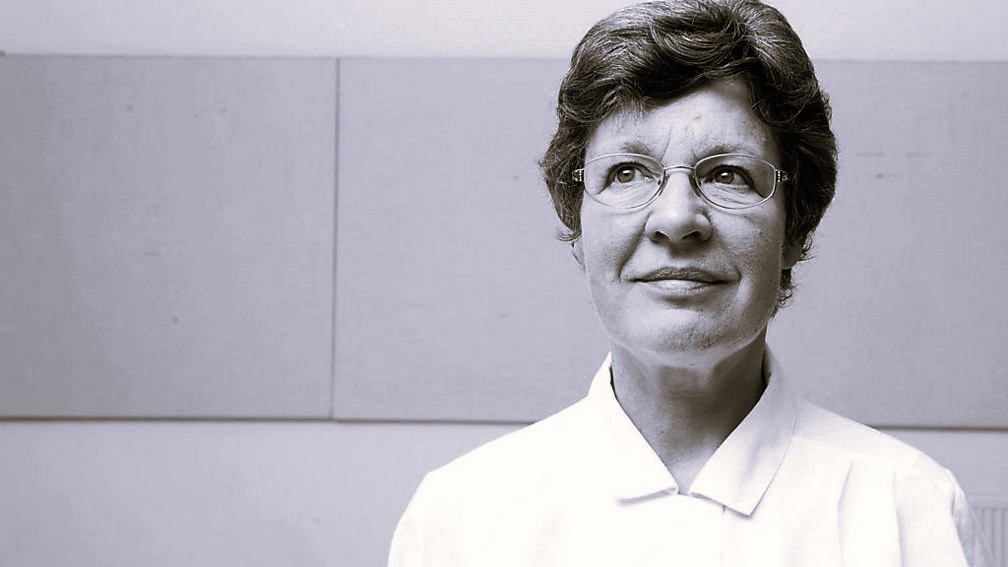 Continue reading →: The Brilliant Woman Who Discovered Pulsars But Watched Her Male Supervisor Win the Nobel Prize
Dame Jocelyn Bell Burnell’s groundbreaking discovery of pulsars in 1967 was overshadowed by gender bias when the 1974 Nobel Prize went to her supervisor, Antony Hewish. Despite systemic discrimination throughout her career, Bell Burnell emerged as a champion for diversity in science, later establishing a scholarship fund to support underrepresented…
-
 Continue reading →: The Dangerous Conflation of Antisemitism and Anti-Zionism: A Clear and Present Threat to Democratic Discourse
Accusations aimed at critics blur distinctions, muddy debate, and threaten honest discussion about rights, identity, and statehood—justice demands clarity. The conflation of antisemitism with anti-Zionism represents one of the most pernicious threats to honest political discourse in our time. This deliberate blurring of fundamentally different concepts serves neither the fight…
-
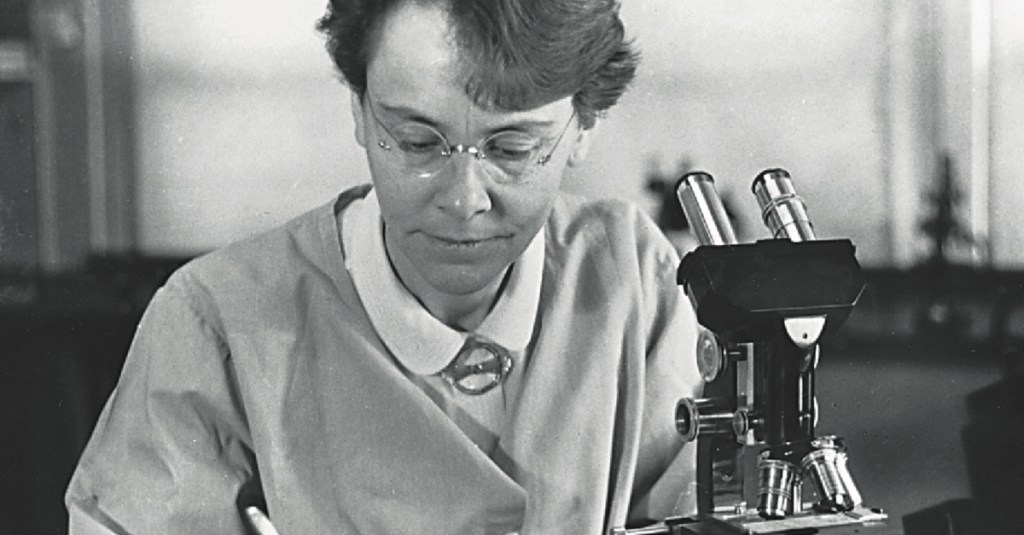 Continue reading →: The Silenced Revolutionary: Barbara McClintock and the Genes That Jumped
Barbara McClintock, a pioneering female scientist, faced significant prejudice throughout her career despite her groundbreaking discovery of “jumping genes.” Her revolutionary ideas were initially dismissed, highlighting systemic bias against women in science. Recognized later with a Nobel Prize, McClintock’s legacy underscores the need for equity in scientific recognition and acceptance…
-
 Continue reading →: The Hard Problem of Consciousness: Why Science’s Greatest Mystery Divides the Academic World
The debate surrounding consciousness pits scientific materialists against dualists and panpsychists, focusing on the “hard problem” of why subjective experience exists. Despite progress in understanding neural correlates, the explanatory gap remains unresolved. This tension influences our self-understanding, artificial intelligence, and ethics, highlighting the limits of scientific inquiry into consciousness.
Feign the virtue thou dost seek, till it becometh thine own

Recent Posts
- Caroline Eichler: Springs, Silver and the Art of Walking Again
- The Door of My Lips
- Twenty Metres of Chain
- Look Up: Why We Feel Most Alive When Comfort Fails
- Anna Winlock: The Computer Who Measured the Sky by Hand
Categories

