What is your all time favorite automobile?
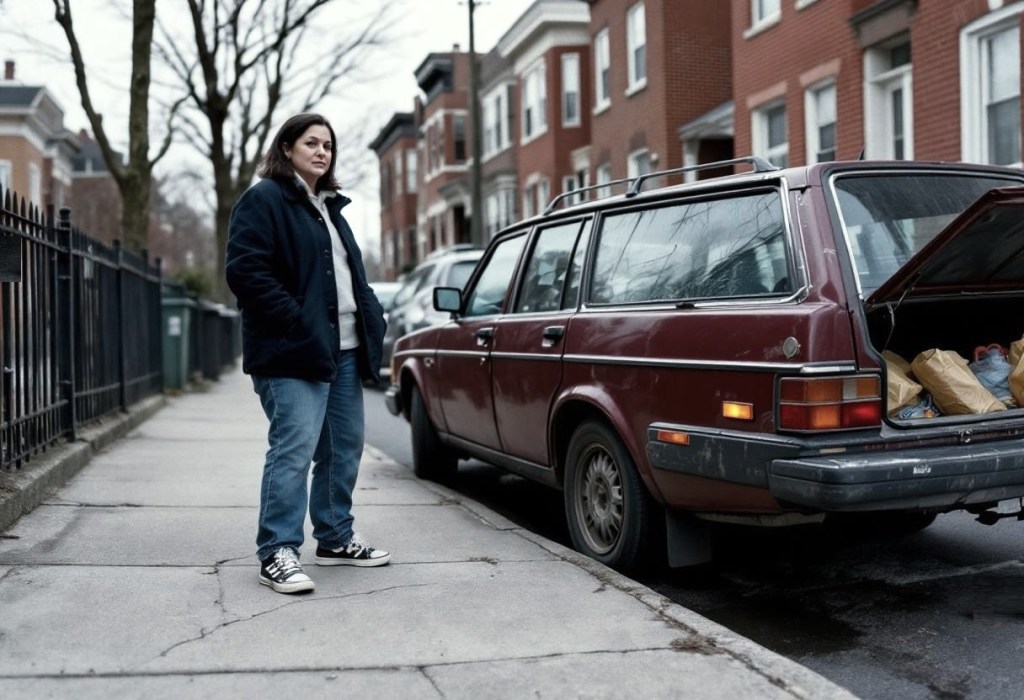
My favourite car is a 1998 burgundy Volvo station wagon that currently sits in my driveway with 247,000 miles on the odometer, a passenger door that doesn’t quite close right, and an inexplicable smell of crayons that I’ve long since stopped trying to eliminate.
It’s not the car I dreamt about as a teenager in New Corinth in the late nineties, when Market Street was still struggling back from the worst years and my friends and I would page through magazines featuring sleek convertibles we’d never afford. It’s not even particularly attractive – the paint has oxidised to a mottled burgundy-pink in places where the Delaware River humidity has had its way. But it’s the car that’s carried me through every significant transformation of my adult life, and I can’t imagine replacing it.
How It Came to Me
The Volvo was my aunt Diane’s car originally. She bought it used in 2003 with the insurance settlement after her husband died – Uncle Paul had worked maintenance at the DuPont facility before early retirement, and she’d suddenly found herself alone in their small house near Minerva Creek, needing reliable transportation to get to her job at the credit union. She chose the Volvo because it was safe and sensible, the kind of decision you make when you’re fifty-six and grieving and can’t afford another catastrophe.
I inherited it in 2014 when Aunt Diane moved into assisted living and didn’t need a car anymore. I was twenty-nine, recently divorced, working as a paralegal at a small firm downtown, and driving a Honda Civic that had finally given up the ghost after eighteen years of loyal service. The Volvo felt enormous after that Civic – like piloting a small boat – but it was free and it ran, which were the two qualifications that mattered most.
The passenger door got dented that first winter I owned it, when I slid on ice turning onto Fourth Street and kissed a light pole. The door still opens and closes, but it requires a specific angle and a firm shove, something I’ve explained to countless passengers who then look at me like I’m driving a relic. Which, I suppose, I am.
What It’s Witnessed
That Volvo has seen more of my life than most people. It’s the car I drove to pick up my daughter Zoe from the hospital when she was three days old in 2015, crawling through New Corinth traffic at fifteen miles per hour because I was convinced every other vehicle on the road was a threat to my impossible, tiny human. The car seat anchor points still have scratches from where I over-tightened the straps, certain that only complete immobility would keep her safe.
It’s the car I drove to my mum’s house three times a week when she was going through chemotherapy in 2018, the boot filled with groceries and ginger tea and the specific kind of crackers she could keep down. I’d park in front of her row house in Riverside – the same neighbourhood where she grew up, where her parents had worked at the textile mills before those closed too – and I’d sit for a moment in that Volvo before going inside, gathering whatever strength I could find in the familiar cracked vinyl of the steering wheel.
It’s the car I drove to Minerva Creek Park every Saturday last summer when Zoe was learning to ride her bicycle, the back hatch open whilst she practised and I cheered and we both pretended ten years old wasn’t impossibly close to the age when she’d stop wanting me around. We’d load the bike back into the cargo area – which still smells like the beach trip we took in 2019, salt and sunscreen permanently embedded in the fabric – and stop for ice cream at the place on Market Street that’s somehow survived, steadfast while the storefronts around it turned into glass and brass.
Why It Matters
People in New Corinth understand cars differently than people in wealthier places might. Here, your car isn’t a status symbol or a reflection of your personal brand – it’s infrastructure. It’s how you get to the job that’s three townships over because the manufacturing base that used to employ everyone within walking distance disappeared decades ago. It’s how you get to the grocery shop that’s actually affordable, not the boutique market that’s opened in the renovated warehouse district downtown. It’s how you help your neighbour get to her dialysis appointments when the medical transport doesn’t show up again.
My Volvo has been all of those things. It’s carried donated food to the pantry at Mount Olive Baptist. It’s transported my elderly neighbour Mr. Rashid to specialist appointments at Christiana Care when his daughter couldn’t get off work. It’s been the car where I’ve cried after difficult days at the office, where I’ve sung loudly to radio songs whilst driving home at sunset along the river, where I’ve had the honest conversations with my daughter that somehow come easier when you’re both looking forward instead of at each other.
Last week, my colleague suggested I finally upgrade to something newer, something with Bluetooth and backup cameras and seats that don’t have permanent impressions worn into them. She meant it kindly – she’s one of the people who’ve moved to New Corinth recently, part of the wave of young professionals discovering our city now that it’s being marketed as “authentic” and “historic.” She drives a leased SUV that probably costs more per month than my rent.
But I can’t imagine replacing the Volvo. Not yet, anyway. Not whilst it still starts every morning, not whilst the heater still works through Delaware winters, not whilst it still smells like every version of myself I’ve been for the past eleven years. The dented door, the faded paint, the way the engine makes a particular rattling sound on cold mornings – these aren’t flaws. They’re evidence. They’re proof that something can be useful and loved precisely because it’s been used and loved.
What It Represents
I think my favourite automobile is this beat-up station wagon because it represents the opposite of aspiration. It’s not about where I’m going or who I’m trying to become. It’s about where I’ve been, who I’ve carried with me, what I’ve survived and celebrated and endured. In a city that’s constantly being told to reinvent itself, to pave over its past and apologise for its industrial scars, there’s something deeply satisfying about driving a car that makes no apologies for its age or its dents.
The Volvo is twenty-seven years old, nearly as old as I was when I first got it. It’s outlasted my marriage, my mother’s cancer, three different jobs, and countless New Corinth city council promises about riverfront revitalisation. It’s the longest relationship I’ve maintained as an adult besides the one with my daughter and this stubborn city I can’t quite leave.
So yes, my favourite automobile is a 1998 burgundy Volvo station wagon with a dented passenger door and a quarter million miles of Delaware roads worn into its frame. It’s not much to look at, and it definitely won’t impress anyone scrolling through social media or pulling up to the new wine bar where Market Street meets the renovated waterfront. But it starts when I need it to, it holds what I need to carry, and it’s taken me everywhere that actually mattered. In New Corinth, that’s not just a favourite car – that’s family.
Bob Lynn | © 2025 Vox Meditantis. All rights reserved.

 Vox Meditantis
Leave a comment