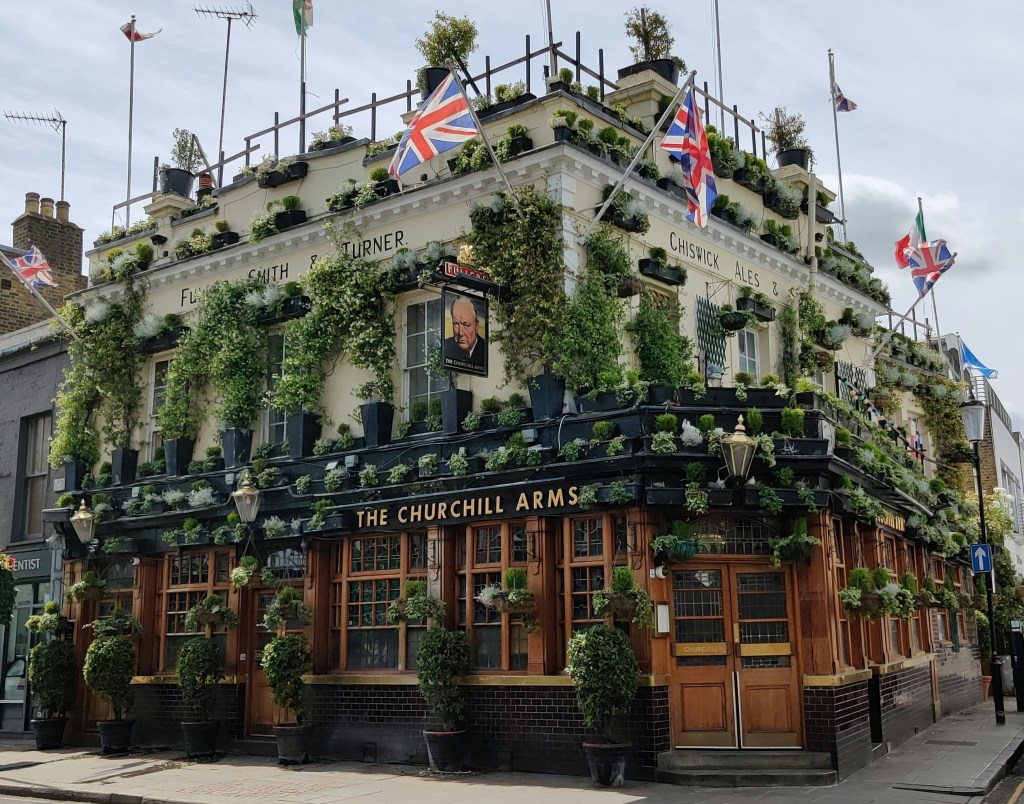
JD Wetherspoon’s Tim Martin has launched another predictable assault on what he dramatically calls “tax inequality” between pubs and supermarkets. His latest Tax Equality Day stunt – cutting prices by 7.5% for one day to demonstrate the supposed benefits of VAT equality – represents everything wrong with corporate political campaigning masquerading as principled advocacy.
Make no mistake: Martin’s grievances are real. The hospitality sector does face legitimate challenges from rising costs, business rates, and yes, differential VAT treatment. Over 200 pubs closed in the first six months of 2025 alone, a genuinely worrying trend for communities across Britain. But Martin’s proposed solution – a permanent VAT cut that would cost the Treasury billions whilst primarily benefiting large corporate chains like his own – exposes the fundamental selfishness at the heart of his campaign.
The Rhetoric Versus Reality
Martin frames his argument in populist terms, claiming to fight for the “legendary man on the Clapham omnibus” against the dinner party set. This carefully crafted narrative pits working-class pub-goers against middle-class food shoppers, conveniently ignoring that both groups use supermarkets and both would benefit from properly funded public services.
The numbers Martin cites are selective at best. He claims supermarkets pay zero VAT on food whilst pubs pay 20%, but deliberately obscures the full picture. Supermarkets do indeed enjoy zero VAT on most food sales, but they cannot reclaim VAT on many business expenses in the same way hospitality venues can. More importantly, supermarkets face their own regulatory burdens and operate on notoriously thin margins – hardly the tax haven Martin suggests.
His comparison of business rates per pint – 28p for pubs versus 1.5p for supermarkets – sounds shocking until you consider the obvious: pubs occupy expensive high street premises specifically designed for on-site consumption, whilst supermarkets operate from cheaper out-of-town locations with fundamentally different business models. The higher rates reflect higher property values and greater infrastructure demands, not systematic discrimination.
The Public Services Imperative
What Martin studiously avoids discussing is where his proposed tax cuts would leave essential public services. The current government inherited a devastating legacy: a £22 billion black hole in public finances, crumbling infrastructure, and the longest NHS waiting lists in history. Chancellor Rachel Reeves has made the difficult but necessary choice to prioritise sustainable funding for schools, hospitals, and social care over corporate tax breaks.
The recent Budget demonstrated Labour’s commitment to rebuilding public services whilst protecting working people from tax increases. VAT revenue – including the 20% rate on hospitality – directly funds the NHS, education, and other services that working-class families depend upon. Martin’s proposal would essentially transfer billions from public services to private businesses, with the largest chains benefiting most.
Consider the arithmetic: Wetherspoons operates over 800 pubs across the UK. A 7.5% VAT reduction would deliver millions in windfall profits to Martin’s company alone, whilst independent pubs – the very establishments his campaign claims to champion – would see proportionally smaller benefits. This is corporate welfare dressed up as social justice.
The Hypocrisy of Selective Taxation
Martin’s campaign reveals breathtaking hypocrisy about tax equality. He demands preferential treatment for hospitality whilst maintaining conspicuous silence about other sectors facing tax challenges. Why should pubs receive special consideration over care homes, struggling with social care crises? What about small manufacturers competing against overseas producers who benefit from different tax regimes?
The reality is that tax systems involve choices and trade-offs. Every government must balance competing demands whilst maintaining sufficient revenue for essential services. Martin’s vision of “tax equality” is actually a demand for tax inequality – favouring his sector at the expense of others and, ultimately, public services.
His timing is particularly tone-deaf. As families struggle with the cost-of-living crisis, as teachers buy classroom supplies from their own pockets, as patients wait months for treatment, Martin campaigns for tax cuts that would primarily benefit wealthy shareholders and property owners. This represents exactly the kind of corporate entitlement that undermines public confidence in business advocacy.
The Growth Question
Supporters of Martin’s campaign argue that VAT cuts would stimulate economic growth, creating jobs and generating replacement tax revenue. This is the familiar trickle-down fantasy that has consistently failed to deliver. The evidence from previous hospitality VAT reductions is mixed at best, with much of the benefit captured by consumers in the form of lower prices rather than additional economic activity.
Meanwhile, robust public investment – in education, infrastructure, and healthcare – delivers proven economic returns. Every pound spent on education generates multiple pounds of economic activity over decades. Investment in public transport, broadband, and housing creates immediate employment whilst building long-term productivity. These are the growth strategies that work, not corporate tax cuts that hollow out public services.
The current government understands this equation. Labour’s commitment to protecting working people from tax increases whilst asking businesses and the wealthy to contribute more reflects both economic sense and social justice. This approach builds sustainable growth from the bottom up, not from the boardroom down.
The Community Angle
Martin attempts to wrap his campaign in concern for community pubs and high street vitality. There is undoubtedly a legitimate case for supporting local establishments that serve as community hubs. But his proposed remedy – blanket VAT cuts benefiting large chains most – would do little to address the underlying challenges facing independent pubs.
Real support for community pubs requires targeted interventions: business rate relief specifically for small venues, planning protection against conversion to retail, support for community ownership models, and investment in the transport links and housing policies that sustain local economies. These measures cost far less than Martin’s VAT proposal whilst delivering greater benefit to actual communities.
The government has recognised these needs through the continuation of business rates relief for hospitality, albeit at reduced levels. This represents a more targeted approach than Martin’s blanket demand for permanent tax cuts.
The Democratic Deficit
Perhaps most troubling about Martin’s campaign is its attempt to circumvent democratic decision-making. His Tax Equality Day stunt, his repeated interventions in political debate, his claims to represent the hospitality sector – all represent corporate political lobbying designed to pressure elected officials into favouring particular business interests.
British democracy works when governments make difficult choices based on the overall public interest, not when they capitulate to the loudest corporate voices. Martin’s campaign represents exactly the kind of influence that undermines public trust in politics and business alike.
The Path Forward
The current government’s approach – protecting working people whilst asking businesses and the wealthy to contribute their fair share – offers a sustainable alternative to Martin’s self-serving proposals. This means continued investment in public services, targeted support for struggling sectors, and tax policies that prioritise social need over corporate profit.
For the hospitality sector specifically, this could include business rate reform that specifically helps independent venues, planning policies that protect community pubs, and investment in the transport and housing infrastructure that sustains local economies. These measures would deliver greater benefit to actual communities than blanket tax cuts that primarily benefit large corporate chains.
The choice is clear: we can either fund properly equipped hospitals, well-resourced schools, and decent social care, or we can subsidise corporate profits through regressive tax cuts. Tim Martin’s campaign represents everything wrong with corporate political influence – self-interested, short-sighted, and fundamentally opposed to the collective investments that build stronger communities.
Britain deserves better than this particular brand of political theatre. We deserve a tax system that serves the common good, not corporate balance sheets.
Bob Lynn | © 2025 Vox Meditantis. All rights reserved. | 🌐 Translate
Photo by Mahesh Patel on Unsplash


 Vox Meditantis
Leave a reply to S.Bechtold Cancel reply