-
 Continue reading →: Eunice Foote: The Forgotten Scientist Who Uncovered the Greenhouse Effect
Eunice Newton Foote, a pioneering American scientist, discovered the greenhouse effect in 1856 – years before John Tyndall. Barred from presenting her own research, her work was ignored due to sexism and institutional bias. Today, her vital contributions to climate science and women’s equality are finally gaining the recognition they…
-
 Continue reading →: Tributaries
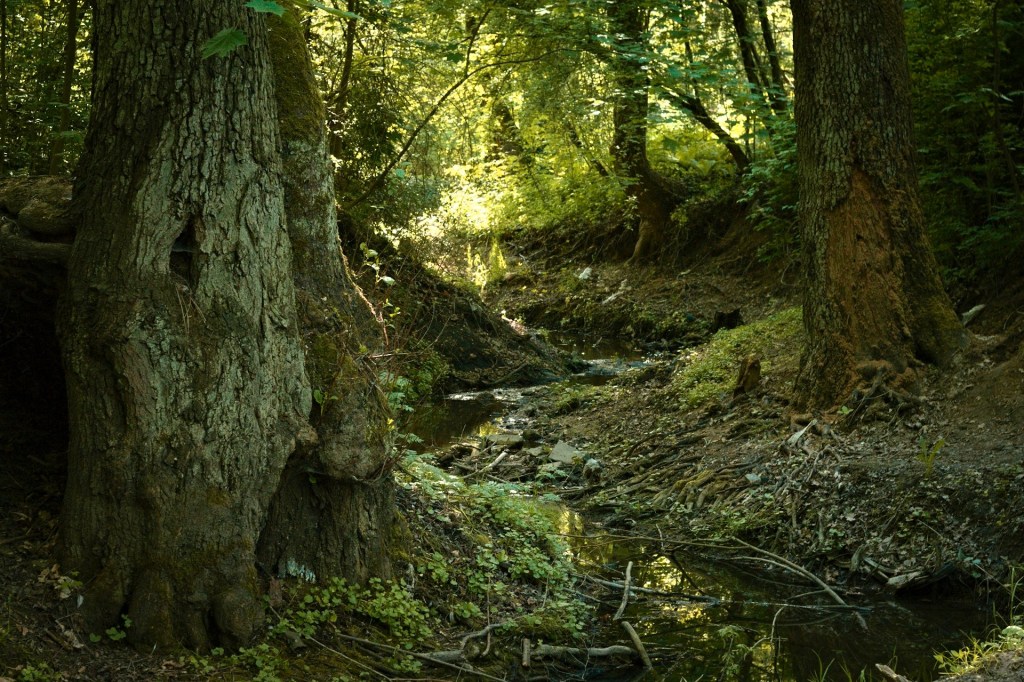
In the spaces between certainty,water writes its own story—small streams that follownobody’s rules,carving channels throughwhatever stands stilllong enough. I am learningthe language of persistencefrom creeks that refuseto recognise property lines,threading silver fingersthrough chain-link dreams,pooling in placesno cartographer botheredto name. Here, where belongingis a question markpainted on temporary walls,I watch water…
-
 Continue reading →: Echoes Before the Storm
Sarajevo, Austria-Hungary (Bosnia and Herzegovina) – June 1914 The cobblestones beneath Gavrilo’s worn boots still held the morning’s chill as he made his way through the narrow streets of Sarajevo on the twenty-fourth of June, 1914. Four days until the Archduke’s visit. The city stirred around him with its familiar…
-
 Continue reading →: June Almeida: The Woman Who First Identified Coronaviruses
June Almeida, a working-class Glaswegian who left school at 16, revolutionised virology by first visualising coronaviruses in 1964. Despite lacking formal qualifications, her groundbreaking electron microscopy techniques transformed virus identification. Overlooked for decades, her legacy exposes institutional prejudice and proves that scientific brilliance transcends class and academic barriers.
-
 Continue reading →: The Last Forge
St Keverne, Cornwall – June 1497 The bellows wheezed like an old man’s chest as Michael An Gof worked the leather handles with practiced rhythm, coaxing flame from the charcoal that glowed like scattered rubies in the pre-dawn darkness. Steam rose from the quenching tub beside him, carrying the sharp…
-
 Continue reading →: Sameera Moussa: A Pioneer in Nuclear Medicine
Sameera Moussa, Egypt’s pioneering nuclear physicist, fought for atomic science to serve humanity, not war. She developed affordable cancer treatments and challenged global power structures, only to die suspiciously at 35. Overlooked by the West, her legacy demands recognition – and a renewed commitment to justice, peace, and scientific equality.
-
 Continue reading →: The Taste of Freedom
West Berlin – 26th June 1963 The clock above my Konditorei reads twenty minutes past four when I push through the door into the pre-dawn darkness of Schöneberg. Twenty-six years I’ve been waking at this hour, first in my family’s bakery in Prenzlauer Berg, then here in the West, where…
-
 Continue reading →: Marthe Gautier: The Unsung Heroine of Down Syndrome Research
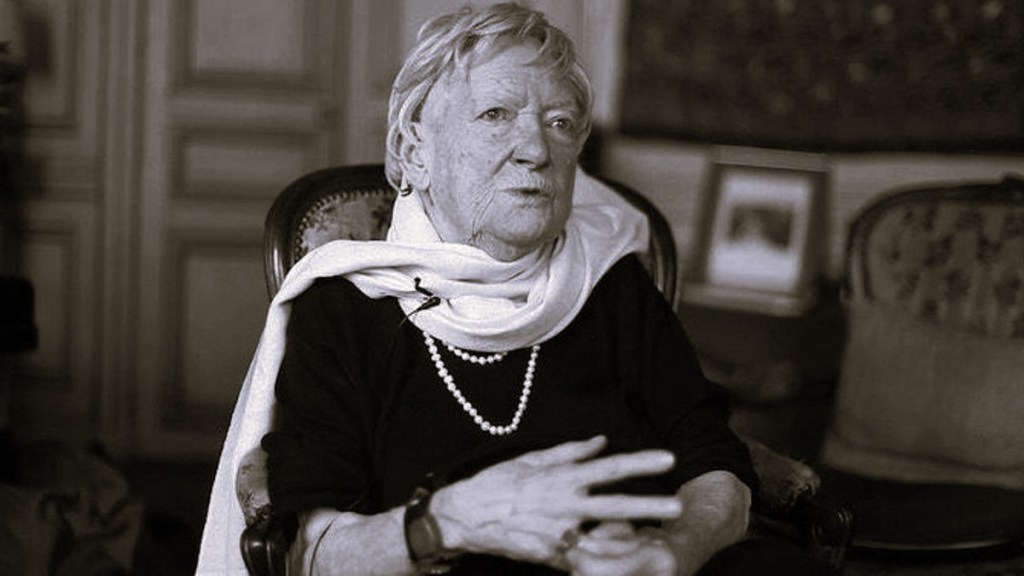
Marthe Gautier, a pioneering French geneticist, discovered the chromosomal cause of Down syndrome in 1958. Her male colleague took credit, sidelining her for decades. Gautier’s story exposes the systematic erasure of women in science and demands overdue recognition for her groundbreaking work and the countless women similarly overlooked.
-
 Continue reading →: The Mockingbird Scheme for Foster Carers: Promise, Reality, and the Road Ahead
The Mockingbird scheme enhances foster care by creating support “constellations” of families around a central carer, addressing issues like placement instability and carer retention. Despite its effectiveness, only 4% of UK foster carers participate, highlighting exclusion. It’s crucial to develop diverse support systems and recognise foster care as a professional…
-
 Continue reading →: The Yellow Stripe
Little Bighorn Valley, Montana, United States – June 1876 I have worn this same uniform for two hundred and forty-seven consecutive days now, and tomorrow—25th June, 1876—will make it two hundred and forty-eight. The thought strikes me as I sit on my bedroll in the pre-dawn darkness, running my fingers…
Feign the virtue thou dost seek, till it becometh thine own

Recent Posts
- Caroline Eichler: Springs, Silver and the Art of Walking Again
- The Door of My Lips
- Twenty Metres of Chain
- Look Up: Why We Feel Most Alive When Comfort Fails
- Anna Winlock: The Computer Who Measured the Sky by Hand
Categories

