-
Maria Sibylla Merian: The Forgotten Mother of Ecology Who Revolutionised Science
Published by
on
| Reading time:
5–8 minutes Continue reading →: Maria Sibylla Merian: The Forgotten Mother of Ecology Who Revolutionised Science
Maria Sibylla Merian (1647-1717) revolutionised entomology by documenting complete insect life cycles and ecological relationships, disproving spontaneous generation theory. Despite groundbreaking fieldwork in Suriname, male-dominated scientific establishment dismissed her contributions as “mere illustration.” Modern ecology recognises her as a pioneering scientist who understood ecological interdependence centuries before the discipline existed.
-
 Continue reading →: The Colour of Time
Leicester Fields, London – 16th July, 1769 James barely noticed the church bells chiming noon as he ground the lapis lazuli into powder, the precious blue pigment slowly transforming beneath his pestle. The morning light had shifted to something richer, more golden, streaming through the tall windows of Sir Joshua…
-
 Continue reading →: What Bothers Me Still
Tower Hill, London – 15th July 1685 I watched the crowd gather as I sharpened the axe for the third time that morning, the whetstone singing against steel in a rhythm that had become as familiar as my own heartbeat. Tower Hill stretched before me, a sea of unwashed bodies…
-
 Continue reading →: To Her in Alabama, 1921
15th July, 19214723 South State Street, Chicago, Illinois My Dearest Annie, Your letter of the 28th ultimo reached me this morning, and I confess it has left me in a state of considerable reflection. As I write these words from my modest lodgings on State Street, the sounds of the…
-
Tabitha Babbitt: The Forgotten Woman Who Invented the Circular Saw in 1813
Published by
on
| Reading time:
10–15 minutes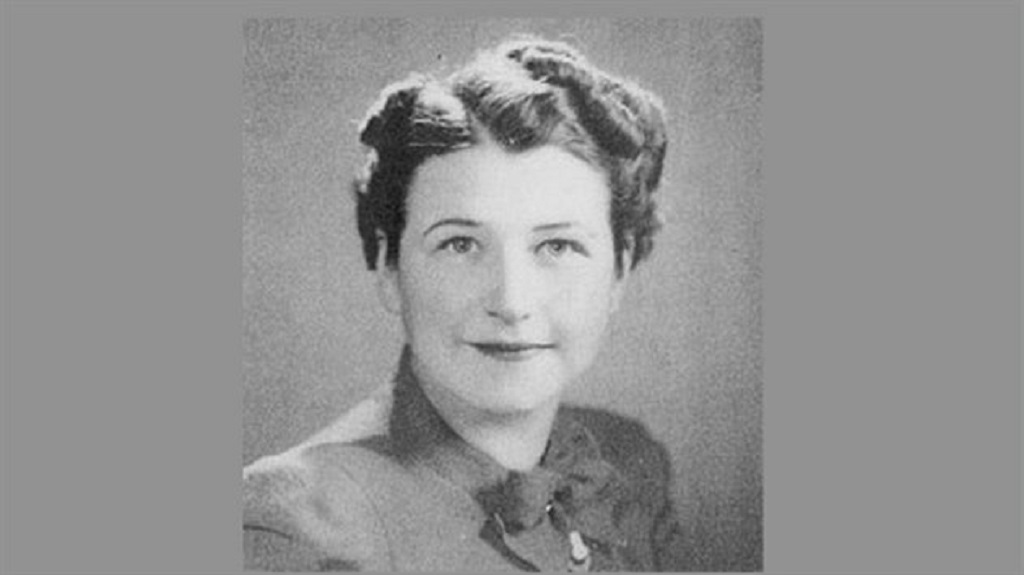 Continue reading →: Tabitha Babbitt: The Forgotten Woman Who Invented the Circular Saw in 1813
Tabitha Babbitt (1779-1853) invented the circular saw around 1813, revolutionising lumber milling by eliminating the wasted energy of traditional two-man whipsaws. As a Shaker, her religious beliefs prevented her from patenting the groundbreaking invention. This systematic exclusion from formal recognition represents a glaring historical injustice that demands immediate urgent redress.
-
 Continue reading →: The Certainties of a Doomed Man
The Bastille Fortress, Paris – 14th July 1789 The morning light filters through the narrow window of my chambers, casting long shadows across the oak desk where I now sit with trembling hands. Outside, the roar grows ever louder—a sound unlike anything I have heard in my thirteen years as…
-
 Continue reading →: To Him in Michigan, 1920
15th October, 1920The Gramercy Hotel, New York City The autumn leaves outside my window mirror the golden hues of the dress I wore to the Metropolitan Opera last evening—do you remember it? The one you so admired when we walked through Central Park that crisp morning in March, before everything…
-
Lady Edison: How Beulah Louise Henry’s 49 Patents Were Dismissed as ‘Women’s Work
Published by
on
| Reading time:
5–8 minutes Continue reading →: Lady Edison: How Beulah Louise Henry’s 49 Patents Were Dismissed as ‘Women’s Work
Beulah Louise Henry (1887-1973), dubbed “Lady Edison,” revolutionised daily life through 49 patents and 110+ inventions including the bobbinless sewing machine and carbon-free typewriter system. Despite commercial success, her domestic-focused innovations were systematically dismissed as “women’s work” rather than recognised as serious engineering achievements, exemplifying pervasive gender bias in technology.
-
 Continue reading →: The Lion’s Lament
Alnwick Castle, Northumberland, England – 13th July 1174 The morning mist clung to the battlements of Alnwick Castle like the ghosts of fallen warriors, and Sir Duncan MacLeod could taste defeat in the air as surely as he could taste the copper tang of blood on his lips. From his…
-
 Continue reading →: To Her in South Dakota, 1919
15th October, 1919Hotel Statler, Detroit, Michigan My beloved Nellie, The autumn wind carries whispers of change through these industrial streets, and with each gust, I am reminded of the prairies of your South Dakota home—how the golden wheat must be dancing now beneath that endless sky you so often described…
Feign the virtue thou dost seek, till it becometh thine own

Recent Posts
- The Quiet Helm: A Case for Temperance
- The Un-Invention Paradox: Why We Can’t Erase Technology
- Dial Tone
- Lot #2185: The “Lesser” Monomakh Orb of Metropolitan Macarius (c. 1546)
- Not a Pretty Animal
Categories
 Vox Meditantis