-
 Continue reading →: Cold Hunger
London, November 1828. An eleven-year-old girl confined in Newgate Gaol records her grim daily struggle with gnawing hunger and bitter cold. Through picking oakum, watery gruel, and a haunting reflection in a slop bucket, she confronts what she has become.
-
 Continue reading →: Hospitality for Attention
Catherine tends the evening like a civilised host: paper-first mornings, a phone put to bed in the hallway, three-questions triage, and moonless rooms by eight, as harbour hush and wry clinical grace turn screen limits into rituals worth stealing tonight.
-
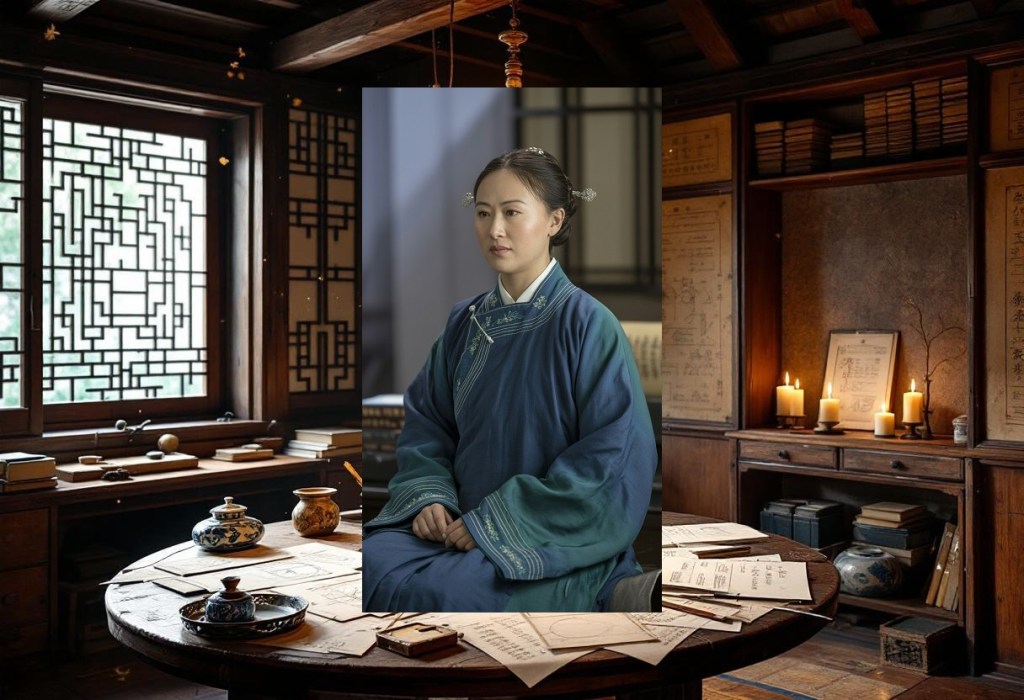 Continue reading →: Wang Zhenyi: How One Woman Made Mathematics Accessible to Common People
Meet the 18th-century scholar who modelled eclipses with a lamp and mirror, democratised mathematics through plain language, and wrote poetry attacking social inequality. A conversation with history’s overlooked genius – and what she learned about power.
-
 Continue reading →: The Economy of Dreams
Besieged Paris, November 1870. A prisoner rations not just bread but dreams, lingering before confessional grilles and carved saints whilst contemplating the masks worn by the starving. How does one manage time before screens when imagination becomes the only escape?
-
 Continue reading →: Room Before Reply
On a November Wednesday, Catherine trades hurry for wider margins: harbour light, honest sessions, Tom’s sky report, Maggie’s civic notes, a watercolour green, and one small vow – keep time with looser fingers, then close the lamp at ten to ten, softly.
-
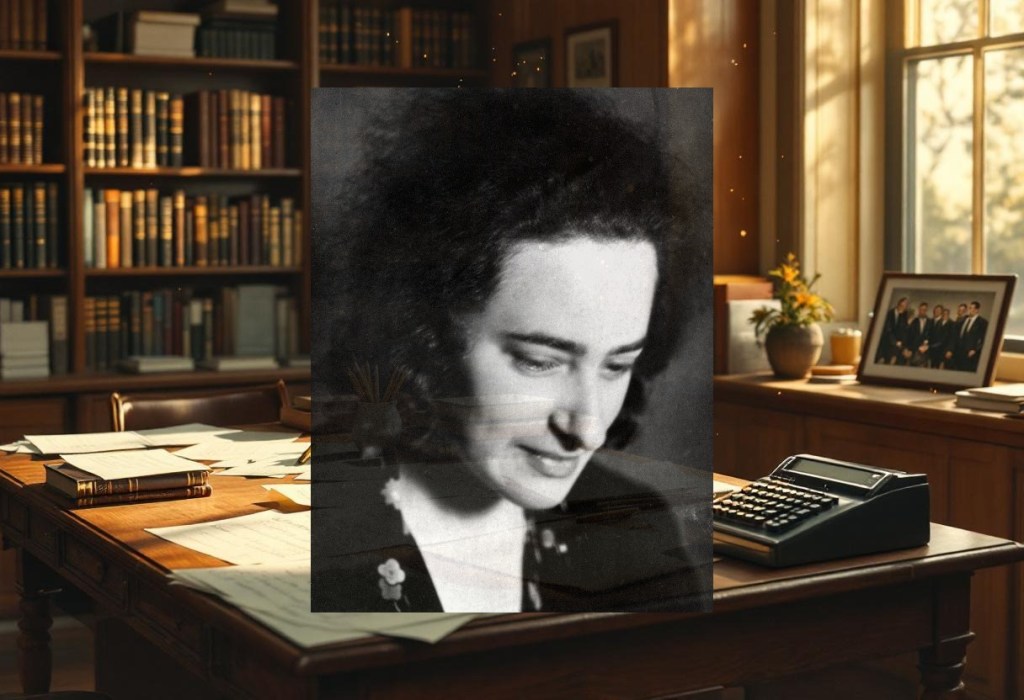 Continue reading →: Olga Taussky-Todd: The Torchbearer Who Transformed Matrices Into Mathematical Theory
A candid conversation with Olga Taussky-Todd – the Vienna-born pioneer who transformed matrices from computational tools into rigorous theory. Discover how she corrected Hilbert’s errors at twenty-four, published over 300 papers, and fought institutional barriers whilst illuminating mathematics for generations to come.
-
 Continue reading →: Claimed Time
While fireworks explode above on Bonfire Night 1912, a mother retreats to her coal cellar to force hyacinth bulbs, mark her children’s lessons, and read of distant wars. In the underground darkness, she claims rare time for thought and reflection.
-
 Continue reading →: Three Winters Out
Catherine tries the future on for size – clinic steadied, rosemary soup simmering – then David’s unexpected ask nudges her onto a rehearsal stage; two minutes on welcome redraw the night’s map, and three winters out stops feeling like prophecy, starts sounding like practice.
-
 Continue reading →: Hilda Geiringer: How Gender Discrimination and Refugee Crisis Erased a Mathematical Genius from History
Hilda Geiringer spent nearly a century making equations that still shape engineering, yet history forgot her name. In this rare interview, the Austrian mathematician speaks candidly about Nazi exile, American marginalisation, and why being overlooked might be the cruellest form of recognition.
-
 Continue reading →: Delayed Passage
November 1954: A British merchant waits anxiously at Oran docks as Algeria erupts into violence. With his steamer delayed and customs inspections tightening, he must decide whether to protect his cargo or his life. Three days. One crossing. No guarantees.
Feign the virtue thou dost seek, till it becometh thine own

Recent Posts
- The Geography of Survival
- The Illusion of Control
- Commanding the Tempest
- The Anchor and the Open Door
- A Holiday from Words
Categories
 Vox Meditantis