-
 Continue reading →: Warning Label
What if your peculiarities came with proper instructions? A meditation on the obsessions we carry – the need to organise, to remember every slight, to never let questions rest. Some quirks don’t need fixing; they need acknowledgement, patience, and perhaps their own warning label.
-
 Continue reading →: The Geography of Returning
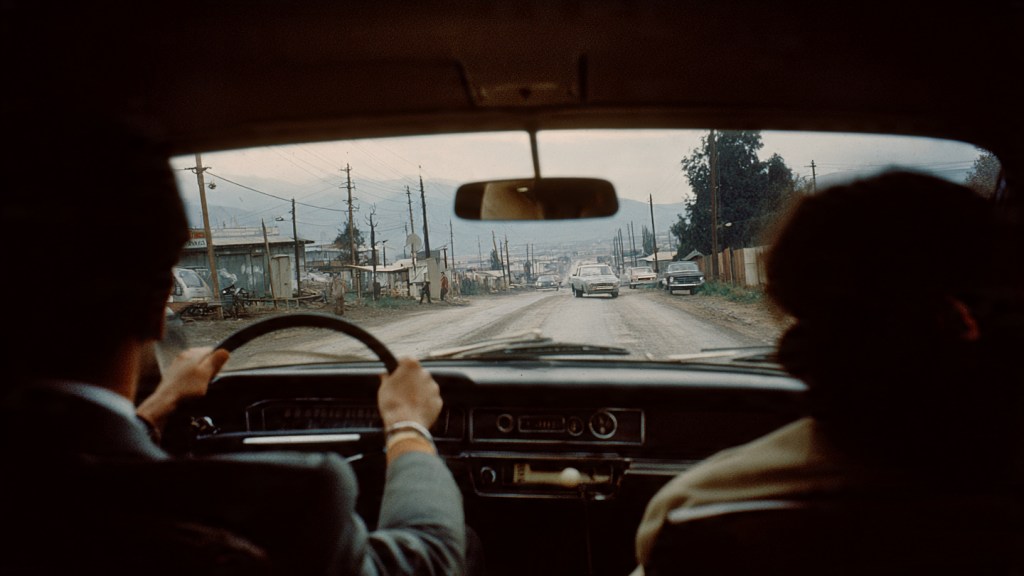
As Catherine hosts Michael and Linda for the weekend, muffled voices drift through the guest room wall. With a trip to Quebec looming, she makes a discovery: home isn’t where you arrive perfect, but where you are allowed to keep arriving, imperfectly.
-
 Continue reading →: Florence Violet McKenzie: Australia’s First Female Electrical Engineer and the Architect of the WRANS
Mrs Mac built the infrastructure that forced Australia’s Navy to accept women – and trained 12,000 servicemen in Morse code from a woolshed on Clarence Street. Discover how one electrical engineer created the WRANS, corresponded with Einstein, and proved women could be better than men.
-
 Continue reading →: The Glass of Truth
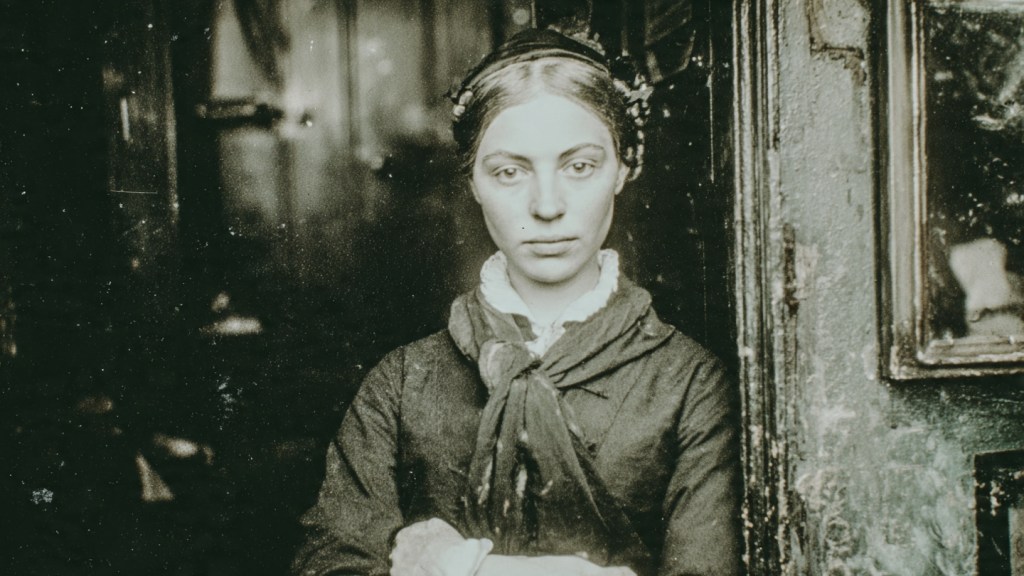
I speak to you of mirrors and truth, of false love and steadfast principle. Listen, if you dare hear instruction from one who will not bend to the world’s accommodations. This is the path to honour.
-
 Continue reading →: The Annual Gathering
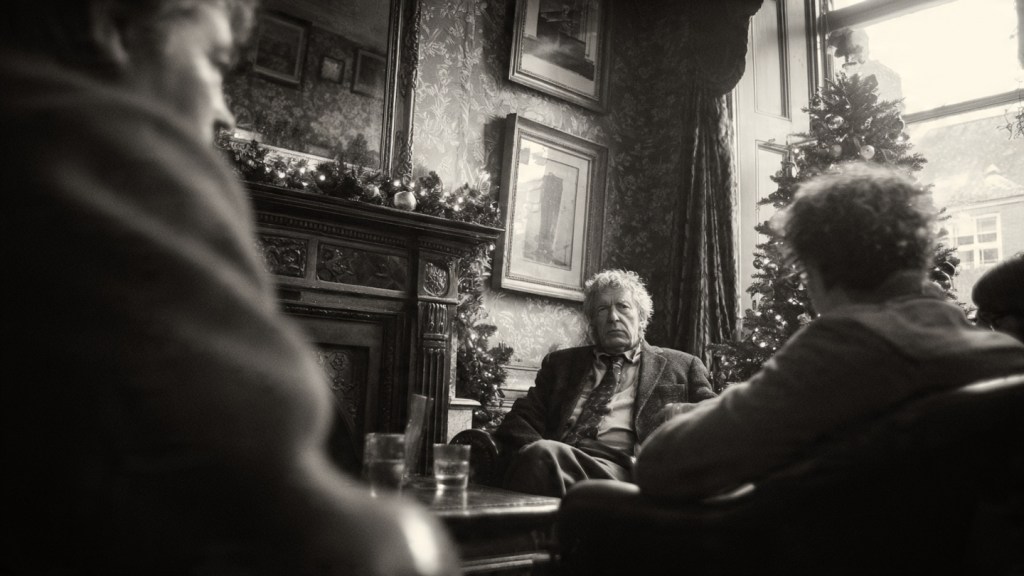
Potpourri and pretence. Boxing Day in parlours unchanged since ’87, where we toast to nothing and photograph our togetherness. Three hours performing the charade of family-hating every moment, yet returning, always returning.
-
 Continue reading →: Five Modest Competencies
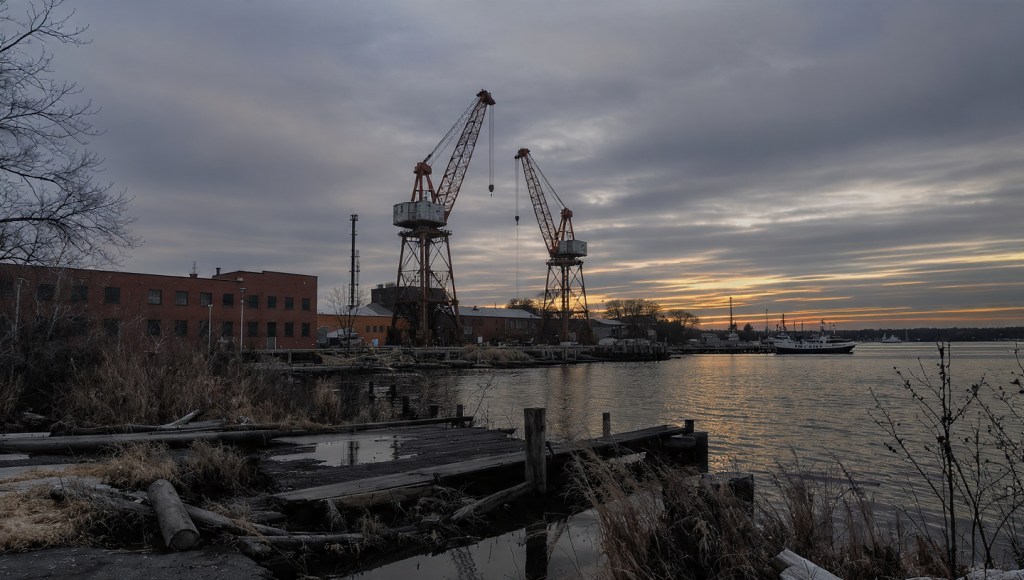
Catherine tackles a therapeutic exercise she usually avoids – listing five strengths – after her first full day at the museum recording oral histories. The uncomfortable revelation: every competency is relational, yet she’s used connection as armor against being truly known.
-
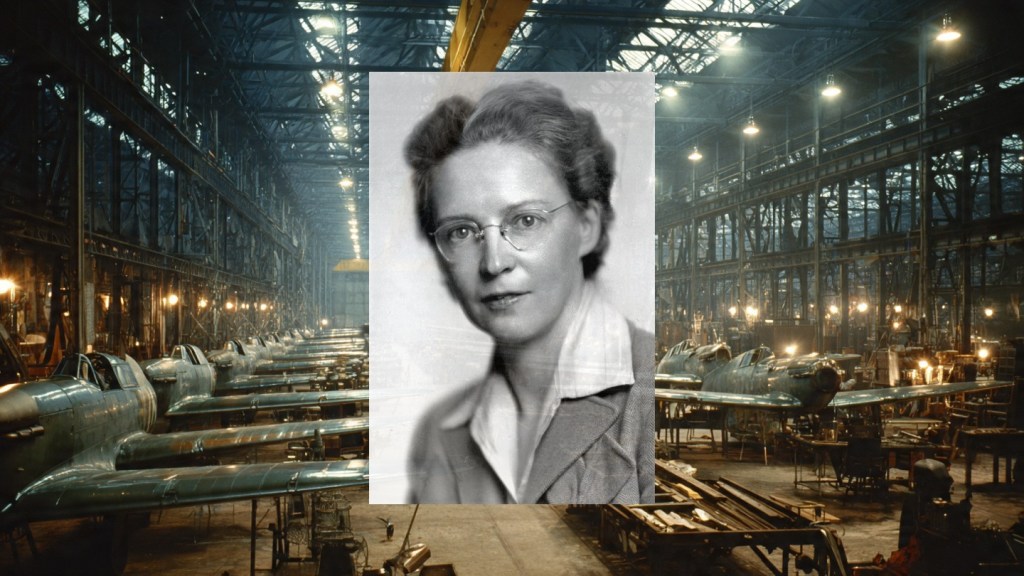 Continue reading →: Elsie MacGill: Queen of the Hurricanes and Aeronautical Engineer Who Built Trust in Flight
Elsie MacGill, the world’s first female chief aeronautical engineer, discusses mass-producing 1,451 Hawker Hurricanes during WWII, overcoming polio with metal canes, and redesigning society itself through engineering precision and unapologetic advocacy for women’s equality.
-
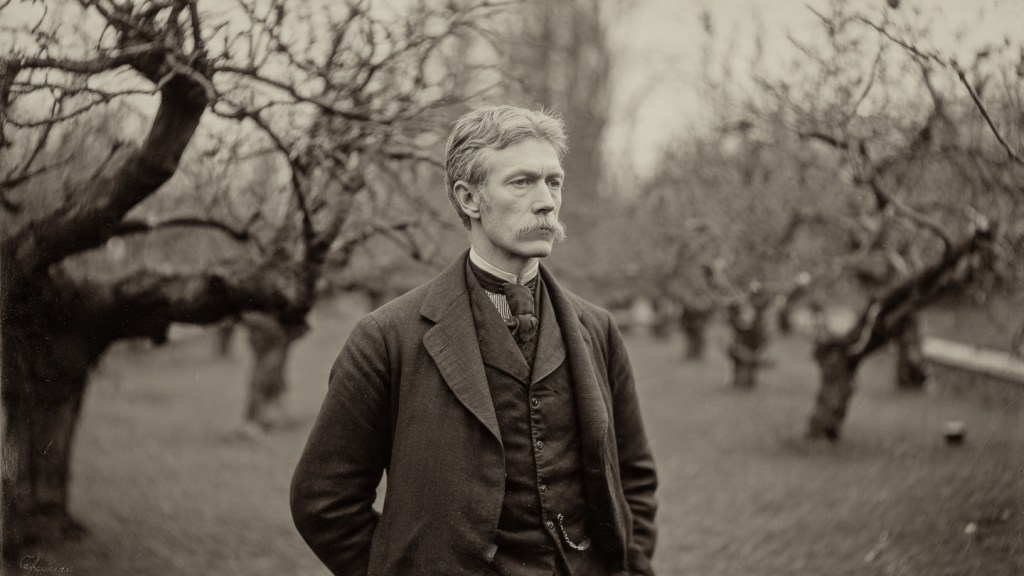 Continue reading →: December Reflections
I have spent thirty years arranging marriages for others, yet remain unwed myself. From this December garden, I offer reflections on masks, on irony, and on a life lived in service to hearts I shall never understand.
-
 Continue reading →: The Unanswered
Beneath the breezy daylight mask – so busy! – underground fear grows. The phone glows with voices owed, each contact a small defeat. Night knows what day denies: the throat closing, the script fumbling, tomorrow’s perpetual lie.
-
 Continue reading →: The Annual Précis
Catherine prepares the guest room for Michael and Linda’s visit and confronts a decades-old habit: offering family the competent annual précis whilst carefully editing out every corridor of risk. Can she choose one truth to stop hiding before Friday’s arrival?
Feign the virtue thou dost seek, till it becometh thine own

Recent Posts
- The Geography of Survival
- The Illusion of Control
- Commanding the Tempest
- The Anchor and the Open Door
- A Holiday from Words
Categories
 Vox Meditantis