How are you creative?
Wednesday, 25th December, 1935
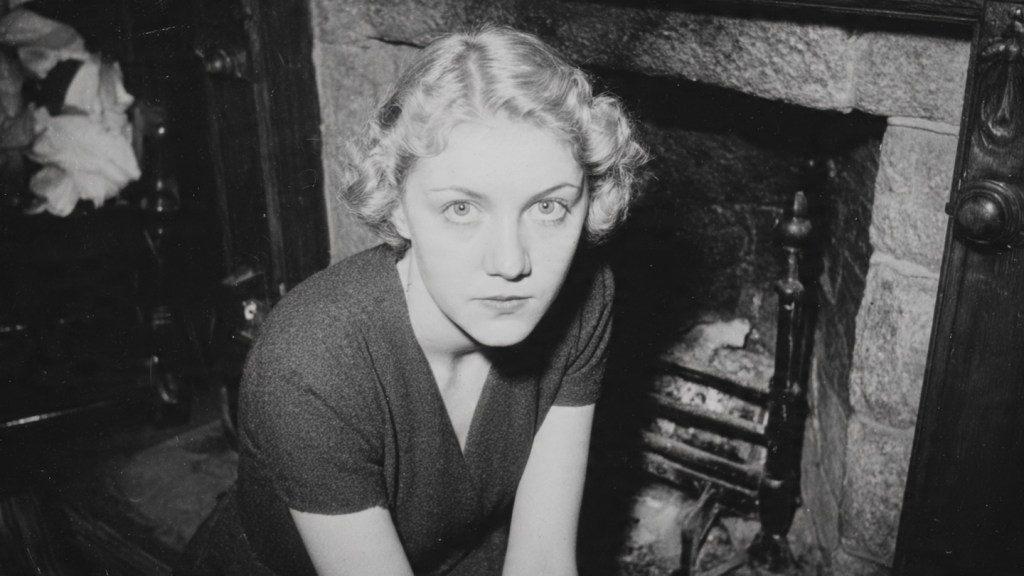
You shall forgive me, I hope, for addressing you from the warmth of my own hearth on this most blessed of days. It is Christmas afternoon – the twenty-fifth of December, nineteen hundred and thirty-five – and the fire before me burns with such fierce gladness that I cannot help but feel I am keeper of something sacred. The coals glow amber and crimson, and I have just laid another upon them with my own hand, though the housekeeper would scold me for troubling myself. But I wished to do it. There is a satisfaction in tending flame, in knowing that one’s small act keeps back the cold.
The goose has been carved. The pudding, borne in with ceremony and set alight – oh, how the children shrieked with delight when the brandy caught! – has been devoured down to the last crumb. We are a household well-fed today, and I do not take it lightly. There are plenty in this city, in this country, who stretch the week’s wages thin as paper, who remember the queues and the hunger that followed the Great War, who know what it is to choose between coal and bread. I have seen them – translated their troubles at the relief office, heard their halting English crack beneath the weight of need. And yet here I sit, stomach full, fire high, with the leisure to reflect. Some might call it fortune. I call it responsibility.
You wonder, perhaps, why I speak to you at all. What prompts a woman to turn from her comfortable seat and direct her thoughts outward, as though you were sat across from me in the second chair? It is because I possess a gift – no, let me be plain, for honesty befits this day – I possess a skill that few others can claim. I am an interpreter. My work is to stand between worlds, to catch the meaning flung from one tongue and render it whole in another. French, German, a little Russian, and Italian enough to manage. I have sat in solicitors’ chambers and shipping offices, in hospital wards and at embassy receptions. I have been the bridge upon which desperate men and women cross from incomprehension into clarity.
And I am proud of it. There – I have said it aloud. Pride, that ancient trouble, coils about my heart even as I sit beneath the gaze of the Christ-child’s manger scene on the mantelpiece. I am proud because I know my worth. I have turned confusion into understanding, prevented disaster born of misapprehension, saved contracts and salvaged dignities. When I enter a room where languages clash like discordant bells, I bring harmony. I bring order. The fire crackles, and I think: I, too, give light.
But wisdom – older, steadier – whispers another truth. The flame I tend did not spring from my own hand. The coal was hewn by men in darkness beneath the earth. The match was struck by another before me. My skill with words? A fortunate inheritance of circumstance: a father who travelled, a mother who insisted I be educated beyond the usual limits for girls, a facility with sound and pattern that is, in the end, no more my doing than the colour of my eyes. I am the vessel, not the source. I am the glass through which the light passes, not the light itself.
How am I creative, you ask? How does one such as I lay claim to that word – creative – which belongs, surely, to poets and painters, to composers and sculptors? I shall tell you. Translation is not mere substitution, word swapped for word like coins at the bureau de change. It is an art of choices. When a German businessman says Gemütlichkeit, there is no single English word to hold all that warmth, that sense of belonging and comfort and fellowship. I must create it anew: I must rebuild the feeling in your language from the timber of your own experience. I choose. I shape. I judge what will carry and what will crumble. I make meaning travel across the chasms between peoples, and in doing so, I birth something that did not exist before – neither his thought in his tongue, nor your understanding in yours, but a third thing, a bridge suspended in air, held by the strength of my craft.
There is power in it. And therein lies the danger. For I have caught myself, more than once, lingering over my own cleverness, savouring the moment when a particularly thorny phrase yielded to my skill. I have felt the small, warm glow of superiority when a colleague stumbled where I succeeded. I have thought myself indispensable. And this, on Christmas Day, when the very message of the season is that the Indispensable One came as a helpless infant, wrapped in rags, and laid in an animal’s trough.
The fire shifts, sending sparks up the chimney. I watch them rise and vanish. So, too, my arrogance, if I am not watchful.
For consider what this day proclaims – what has been proclaimed these nineteen hundred years and more. Into the long night of human waiting, into our hunger for wholeness and our ache for deliverance, there entered a presence clothed in humility. Not in grandeur, not in the trappings of empire, but in the vulnerability of flesh. The promise given through the generations, whispered by prophets and held in the hearts of the faithful, took form in a manner no one had foreseen. The question, then, is not who was this child – history has answered that – but what does He mean for us? What prevents us, even now, from seeking the liberation He offers? What keeps us from the wholeness we crave?
And if we have found it – if that deep thirst has been slaked, if the soul’s hunger has been fed – then to whom shall we extend what we have received? The fire gives its warmth freely to all who draw near. It does not ask credentials. It does not withhold itself from the unworthy. It simply burns, and in burning, serves.
I think of the refugees who come to my table with their papers and their stories. They do not care that I am proud. They care that I understand. They care that I help them survive – help them navigate the bewildering machinery of permits and interviews, help them prove they are who they say they are, help them find work or sanctuary or the means to send word to family left behind. My wisdom, such as it is, must be spent on them. My words must build not monuments to my own ability, but ladders upon which the desperate may climb.
There is bread left from our meal. I shall wrap it and take it to the Lewandowski family tomorrow – they have only just arrived from Poland, and their English is fractured, and they look thin. There is coal enough in our store to share. The fire that warms me can warm others, if I stop hoarding the flame for my own admiration.
So I sit here, on this Christmas afternoon, caught between my pride and my purpose. The coals burn low now; I must tend them again soon. It is a simple act, repeated through the winter. A small faithfulness. And perhaps that is what is asked of us – not grand gestures, not the blaze of self-importance, but the steady tending of the light we have been given, so that others may see by it.
You may think me insufferable, speaking this way. Perhaps I am. But it is Christmas, and I am trying – trying to see clearly, trying to remember that the gifts I possess are not mine to hoard, but mine to give. The child born today came not to be served, but to serve. The highest became the lowest. The word became flesh. And I, with all my words, all my clever turnings of phrase, must learn to lay them at the feet of those who need them most.
The fire is warm. The house is full. My stomach is fed. And I have been given the tools to help others survive. That is no small thing. Let me use them well, without the poison of pride to spoil the work.
Let me tend the flame, and step aside from its light.
Bob Lynn | © 2025 Vox Meditantis. All rights reserved.

 Vox Meditantis
Leave a comment