What cities do you want to visit?
Sunday, 15th December, 1991
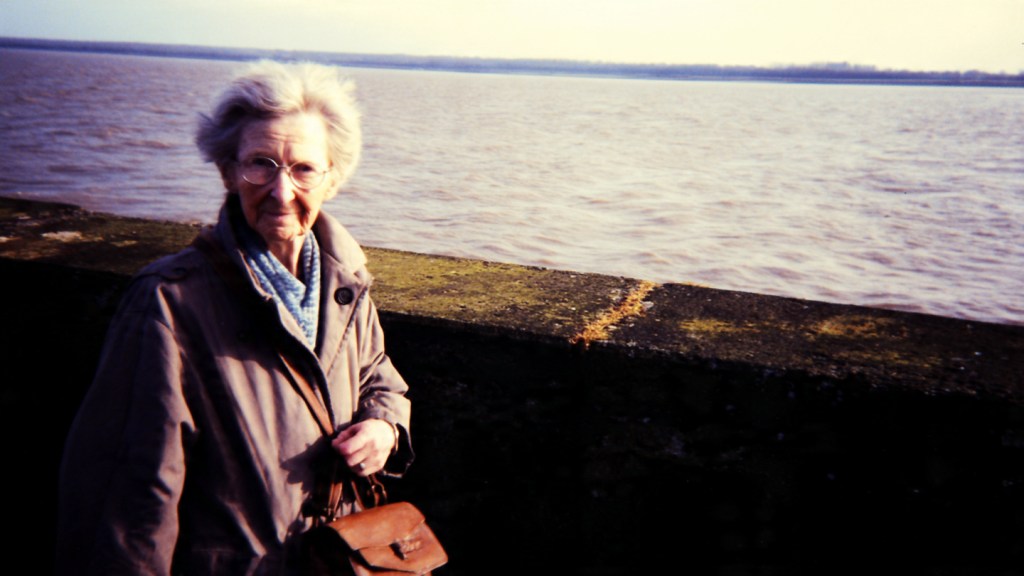
You sit there waiting, I expect. Waiting for me to say something that matters. Well, I’m stood here at Aust crossing, where the old ferry used to run before they built that great bridge upstream, and the light’s going fast even though it’s barely three o’clock. December does that. Pulls the dark down early, like a shawl over everything you’d rather not see.
I come here Sundays. Have done for months now, since September. Don’t know why I tell you that – you’ll think me daft, an old woman taking the bus all this way to stand at a slipway that leads to nothing. The ferry stopped in sixty-six, love. Twenty-five years gone. But I remember when you could still cross here, when the water meant something other than just sitting and watching.
They had a thing in the church magazine last week. One of those questionnaires they do to fill the pages. “What cities do you want to visit?” it asked, with a little picture of Paris and the Eiffel Tower. I sat there with my tea going cold, pen in hand, and I thought – well, I thought a lot of things I shouldn’t.
Prague, I wanted to write. Prague, because they’ve opened it up now, haven’t they? All those places behind the Wall. You can just go, apparently. Buy a ticket, get on a plane. My cousin Peggy went to Berlin in October, sent me a postcard of the Brandenburg Gate with people standing on top of it, smiling. “You can walk right through now, Dot,” she wrote on the back. As if I didn’t know. As if I haven’t been reading the papers.
But I didn’t write Prague. I wrote “Bournemouth” instead, and “perhaps Bath if my hip holds out.” Safe answers. English answers. The sort of thing a woman my age is supposed to want. The vicar’s wife will read it and nod and think, there’s Dorothy, sensible as ever.
The thing is, I did go to Prague. In 1938. I was seventeen, went with the school, before it all came apart. I remember the castle on the hill and the river – what was it called? The Vltava, that was it. And the bridges, all those beautiful bridges with their statues of saints looking down at the water. I had a photograph somewhere. Lost it, or maybe I didn’t lose it. Maybe I put it away because looking at it meant remembering, and remembering meant asking questions I’d rather not answer.
The light’s nearly gone now. You can see it in the water – how it turns from silver to slate to something that’s not quite black but near enough. That’s what December does. It doesn’t lie, not like summer with all its brightness and distraction. December shows you things as they are.
My daughter rang on Thursday. First time in eight months. Didn’t ask about the call before that, when I put the phone down on her. Didn’t mention her choosing to live in Frankfurt with that man, or the way she said I was narrow-minded when I said what I thought about it. She just asked if I’d like to come for Christmas. Said they’d pay for the flight. Said their flat was small but they’d manage.
I told her I’d promised Mrs. Albright I’d help with the church lunch for the old folk who’ve no family. Which is a lie. Mrs. Albright hasn’t asked me this year. Hasn’t asked me for anything since I made that remark about her son and why he’d moved to Brighton and never married. I knew what I was saying when I said it. You don’t get to my age without knowing.
But here’s the thing you’re waiting for me to admit: I do want to go. To Frankfurt, to see her. To see the grandchildren I’ve only got photographs of, and those sent by post with German stamps and postmarks I can’t read properly. I want to sit in her kitchen – imagine it’s got one of those modern hobs, all smooth and electric – and watch her make coffee the way they do on the continent, in those little pot things.
And yes, if I’m confessing, I’d go back to Prague. I’d walk those bridges again and see what’s become of the place. I’d go to Budapest and Warsaw and all those cities we only heard about on the news, always with tanks and soldiers and people looking grim. They say it’s different now. They say you can just walk about like it’s anywhere.
But I don’t go, do I? I stand here at a ferry crossing that doesn’t run anymore, in the dark, catching the five-fifteen bus back to a house with every light on because I can’t bear the shadows. Can’t bear what you see in them, if you look too long.
My son says I’m being stubborn. Says it’s pride that won’t let me admit I was wrong about Angela, about her choices. He doesn’t understand. It’s not pride. It’s – oh, I don’t know what it is. It’s knowing that if I go, if I get on that plane and sit in her flat and hold those children, I’ll have to face what I gave up by refusing. All those years. Her voice on the phone, growing more careful each time, more distant. The way she stopped trying to explain and just went quiet.
That’s the thing about ignorance, isn’t it? It only works if you keep the lights off. Once you switch them on, once you see what you’ve done – well, there’s no going back to not knowing. And I’m seventy years old, love. I’m tired. I’ve got my routines, my bus pass, my church magazine with its silly questions about cities. I’ve got this crossing that leads nowhere, where I can stand and pretend I’m waiting for something instead of admitting I’m just avoiding everything else.
The water looks black now. Proper black. The kind that swallows the moonlight before it can reach the bottom. There’s a street lamp behind me – I can see my own shadow stretching out in front, long and thin like it’s trying to walk into the Severn without me.
They’re lighting the bridge upstream. You can see it in the distance, strung with lights like Christmas decorations, cars streaming across to Wales and back again. That’s what they do now. Press a pedal and cross in minutes what used to take twenty, thirty minutes on the ferry. No waiting. No time to think about whether you really want to go or if you’re just moving because everyone else is.
I should get back. Bus’ll be here soon. I’ll go home, heat up something from Marks, watch the news. They’re saying the Soviet Union’s finished, properly finished this time. Gorbachev might resign by Christmas. The whole world’s changing, they say. New order, new century coming. Everything possible that wasn’t possible before.
But I’ll stay where I am, I expect. In my house with its lights on. Writing “Bournemouth” when they ask about cities. Putting the phone down when it gets too difficult, when the questions come too close to things I’d rather not answer. Standing at ferry crossings in the dark, watching other people’s headlamps cross bridges I won’t cross.
That’s what you wanted to hear, isn’t it? An old woman admitting she’s too frightened to change, too set in her ways, too bloody stubborn to say sorry when sorry’s what’s needed. Well, there it is. I’ve said it now. To you, whoever you are, listening or reading or however this reaches you.
Doesn’t mean I’ll do anything about it, mind. Knowing and doing are different things entirely. Always have been.
The bus is coming. I can see its lights up the lane. Time to go home.
Bob Lynn | © 2025 Vox Meditantis. All rights reserved.

 Vox Meditantis
Leave a comment