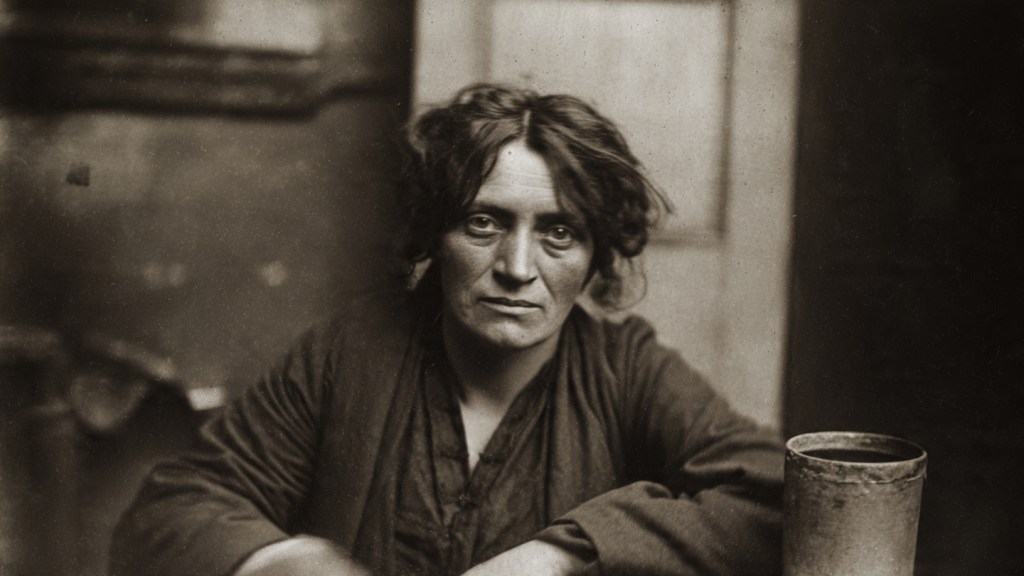
What are your favorite physical activities or exercises?
Monday, the eleventh of December, in the year of Our Lord eighteen hundred and seventy-one.
Sit thee down, if thou wilt hear me. Or stand – it matters not a jot to me what thou dost choose. I have never been one to bow to another’s preference, and I shall not commence now, not in this grimy alehouse with its sour beer and sourer faces, not when the wind howls so at the window-panes and the year draws towards its close.
They say I am difficult. Contrary, that is the word the landlord used when last I disputed his reckoning. “Mrs Howe,” says he, “you are the most contrary woman as ever darkened my doorway.” And I told him straight – I said, “Aye, and I shall darken it again come Tuesday, for thy establishment is convenient to the market, though thy ale is weak as baptismal water.” You see? I cannot help myself. When the world says go left, some demon in my breast insists I must go right, even when I know – I know full well – that left is the wiser course.
It is this very stubbornness that hath brought me to where I sit this evening, neither prosperous nor destitute, but hovering between like a woman stood upon a narrow bridge, water rushing beneath. Feast or famine – that is the merchant’s lot, is it not? Last winter I had such custom as would make a chapman weep with envy. Ribbons, laces, buttons, threads – all the fineries that women crave – I sold them faster than I could lay them upon my stall. But I would not, nay, I could not bring myself to smile at those I served. When Lady Shapter’s maid came seeking cambric, I told her the price and would not budge a farthing, though she wheedled and another trader might have bent. “Take it or leave it,” said I, knowing even as I spoke that I was driving custom away. And drive it I did. Come spring, the orders dwindled. Now, approaching Christmas-tide, when other merchants grow fat upon seasonal trade, I scrape and scrimp, selling to those who cannot afford better or kinder service elsewhere.
Transformation – there is a word that haunts me of late. I have watched this town transform these past ten years. New buildings rise where once stood ancient timber-frames. The railway hath brought such changes as our grandfathers could scarce have imagined. Fortunes rise and fall with the speed of steam itself. I have seen men metamorphose from labourers to factory-owners, and factory-owners tumble back to worse than labourers, ruined by investments gone awry or by their own excess. And women too – oh, especially women – we transform ourselves daily, do we not? From daughter to wife, from wife to widow, from maiden to mother to crone. Each change strips something away, adds something new, until one scarce recognises the girl one was.
But the transformation I sense coming is of a different order. Canst thou not feel it? There is something in the very air, thick and heavy like the smoke from the manufactories. A change approaches, though I cannot name its nature. Perhaps it is merely the turning of the season, the year dying as all years must. Or perhaps it is something more. I dreamt last night of caterpillars, hundreds upon hundreds of them, crawling across my stall, consuming all my wares, spinning themselves into shrouds of silk. And when they split those shrouds asunder – but I woke before I saw what emerged, and mayhap that is a mercy.
Someone asked me yesterday – a gentleman, or one who styled himself such – he asked what manner of exertion I preferred, what labour of the body brought me satisfaction. A strange question, I grant thee, but I answered him true enough. I told him I take pleasure in the weight of my basket upon my arm, laden with goods to sell, walking from my lodgings to the market square before the dawn hath properly broken. The strain in my shoulders, the ache in my feet after a long day stood behind my stall – these are honest pains, the wages of honest toil. I have carried bolts of cloth that would make a strong man grunt, wrestled with wind-blown canvas when the weather turns foul, climbed stairs in lodging-houses from cellar to garret seeking customers who owe me coin. My hands are not soft; they are marked with the labour of my trade, scarred from needles, roughened from handling rough goods. And I am glad of it. When I am too contrary to speak civil words, at least my body speaks the truth of my industry.
But even that is changing. My arms grow weaker with each passing year, though I am not yet old. The baskets feel heavier, the stairs steeper, the distances longer. This too is metamorphosis, is it not? The slow transformation from strength to feebleness, from capability to dependence. And what then? When I can no longer bear the weight of my own livelihood, what becomes of a contrary woman with neither husband nor child to ease her declining years? The workhouse looms for such as I, and that is a transformation I cannot bear to contemplate.
Feast or famine. This December hath been famine thus far, and I confess a dread that it shall worsen. The rich grow ever richer whilst the poor multiply like Pharaoh’s locusts, and those of us who dwell betwixt find ourselves squeezed smaller and smaller, pressed between the millstones of commerce until there shall be naught left but dust. I have coin enough for tonight’s beer and tomorrow’s bread, but what of next week, next month, next year?
And still I cannot bend. This very morning, a woman came seeking thread – common white thread, nothing fine – and I knew she had scarce pennies to her name, knew too that I might never see those pennies if I extended credit. But when she attempted to bargain, to plead poverty, to appeal to some imagined feminine sympathy betwixt us, I turned contrary as always. “The price is what it is,” said I. “I am not the Almighty, dispensing charity to those who ask. This is trade, not the mission-house.” And she left, and I am still sat here with my unsold thread, and my belly as empty as my purse shall soon be.
They say contrariness is a sin, or if not a sin precisely, then a failing of character that marks one as difficult, unfeminine, unwomanly. Mayhap they are right. Mayhap I am transforming even now into something monstrous, something that shall not fit in any proper place. A woman who will not yield, will not soften, will not accommodate – what is she but a creature against nature? Yet I cannot seem to do otherwise. When the world presses me to conform, some rigid bone within me stiffens further still.
The candles gutter low, and the wind grows colder. Outside, I hear the church bells toll the hour – nine o’clock, and the decent folk abed or heading thither. But I sit here still, amongst the drunkards and the desperate, nursing my weak ale and my weaker prospects, feeling in my very marrow that something approacheth. Some great change, some metamorphosis not merely of self but of the world entire. Feast hath given way to famine, and what comes after famine? Either feast anew, or death, and I cannot discern which fate awaits.
But this I know: when that change comes, I shall face it as I have faced all else – contrary to the last, refusing to bend even as I break, stubborn unto my own destruction. For I am what I am, and transformation, for all its fearsome power, hath not yet unmade me.
Listen – dost thou hear it? The wind, howling like lost souls? Or is it only the ale speaking, and the lateness of the hour, and the darkness of the season? No matter. Whether the doom I sense be real or imagined, it comes regardless, patient as the turning year, inevitable as the grave.
I bid thee good night. Or ill night. It matters not which I wish thee, for thou shalt have what thou shalt have, and neither my blessing nor my curse shall alter it one whit.
Bob Lynn | © 2025 Vox Meditantis. All rights reserved.

 Vox Meditantis
Leave a comment