16th September 1933
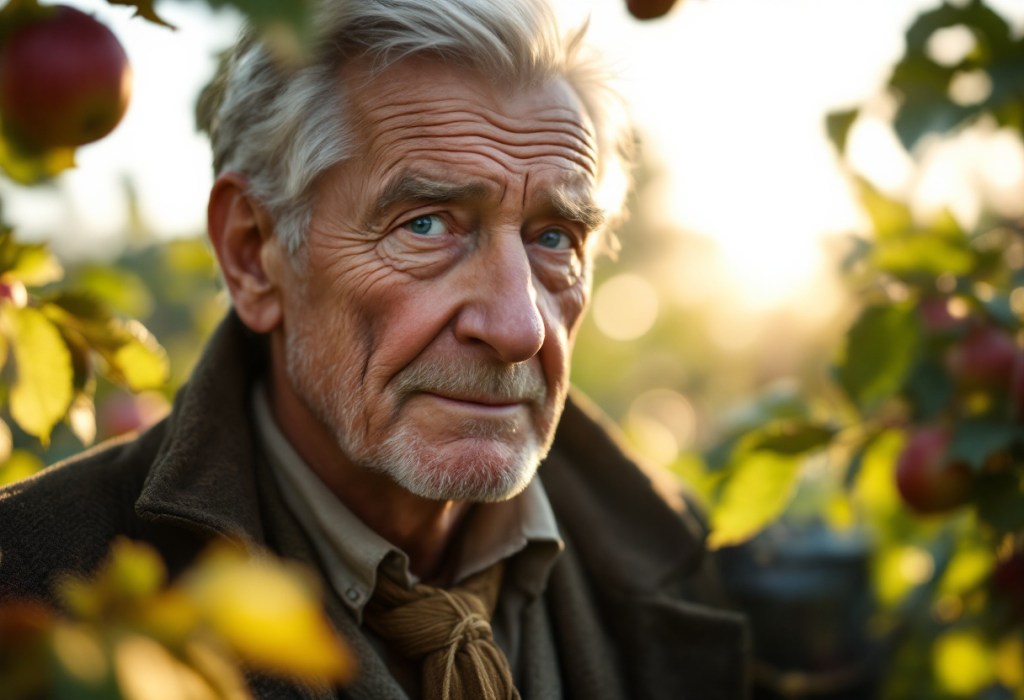
The morning light catches in the dewdrops upon the apple boughs, each one a tiny mirror reflecting the glory of creation. As I tend to my orchard this September morn, I am reminded how the Lord fashions His world in endless repetition – each fruit bearing the image of its maker, each season the reflection of those that have come before.
I have been labouring these past days upon my new grafting technique, seeking to marry the hardy stock of the old Bramley with the delicate flavour of the Cox. The polished blade of my grafting knife shows me my own weathered countenance as I work, and I see in those lined features the reflection of years spent in patient cultivation. There is something of the divine artificer in such work – taking what the Almighty has provided and, through careful stewardship, creating something yet more perfect.
The wireless brought troubling news from across the Channel yesterday. Herr Hitler grows bolder by the month, and I fear we shall reap what has been sown in the bitter ground of the Great War. Yet here in my garden, I find solace in the eternal rhythms that outlast the follies of princes. The apple knows naught of borders or treaties; it follows only the ancient commandment to bring forth fruit after its kind.
As I worked amongst the trees, my thoughts turned to a memory from my youth – nigh on fifty years past now. My dear mother, God rest her soul, had set me the task of preparing the Harvest Festival bread whilst she tended to my ailing father. I was but seventeen, full of pride in my newfound height and strength, yet woefully ignorant in the mysteries of the kitchen. The yeast, that miraculous agent of transformation, I treated as carelessly as dust. Too much salt, too little patience, and a fire built too fierce in my eagerness – the result was loaves hard as cobblestones and bitter as wormwood.
How my mother wept – not for the wasted flour, precious though it was in those leaner times – but for the shame of presenting such offerings at the Lord’s table. “Pride goeth before destruction,” she reminded me, quoting the Proverbs, “and a haughty spirit before a fall.” The congregation received shop-bought loaves instead, and I learned that day how swiftly man’s ambitions can crumble without proper foundation.
I see now, in my autumn years, how that failure was itself a gift. Like the reflection in still water, it showed me the truth of my character – hasty, presumptuous, thinking I could master in moments what required years to perfect. The same lesson serves me well in this present work with my trees. Each graft must be cut with precision, bound with care, and left to Heaven’s timing. One cannot force the marriage of wood and wood any more than one could force that stubborn dough to rise.
The afternoon sun slants lower now through the orchard, and I observe how each tree casts its shadow as a mirror-image upon the earth. So too do our deeds cast their shadows – some long and dark, others brief but full of grace. The failed bread of my youth threw a long shadow indeed, teaching humility that has served me well through all my days.
These are strange times we inhabit. The old certainties seem to shift like reflections upon troubled water, and men speak of progress whilst nations arm themselves for war. Yet here amongst my apple trees, I hold fast to older truths. The sap rises and falls according to seasons older than parliaments; the fruit ripens in its appointed time despite the machinations of dictators. In such constancy, I glimpse the unchanging nature of the Divine, and my heart is filled with hope.
The evening star begins to show itself in the darkening sky, that faithful herald of night’s approach. Tomorrow I shall continue my work, trusting that what I plant in patience may bear fruit for generations yet unborn.
In 1933, the world stood poised between the lingering hardships of the Great Depression and the ominous rise of authoritarian regimes. That January, Adolf Hitler was appointed Chancellor of Germany, setting in motion events that would lead to the Nazi dictatorship and, ultimately, the outbreak of the Second World War in 1939. Britain, still reeling from economic strife, responded with practical self-reliance, with many families turning to gardens and allotments for sustenance. The agricultural labour mentioned in the diary reflects this wider reality of resilience. These global shifts would shape Europe profoundly, ushering in years of conflict and transformation.
Bob Lynn | © 2025 Vox Meditantis. All rights reserved. | 🌐 Translate

 Vox Meditantis
Leave a comment