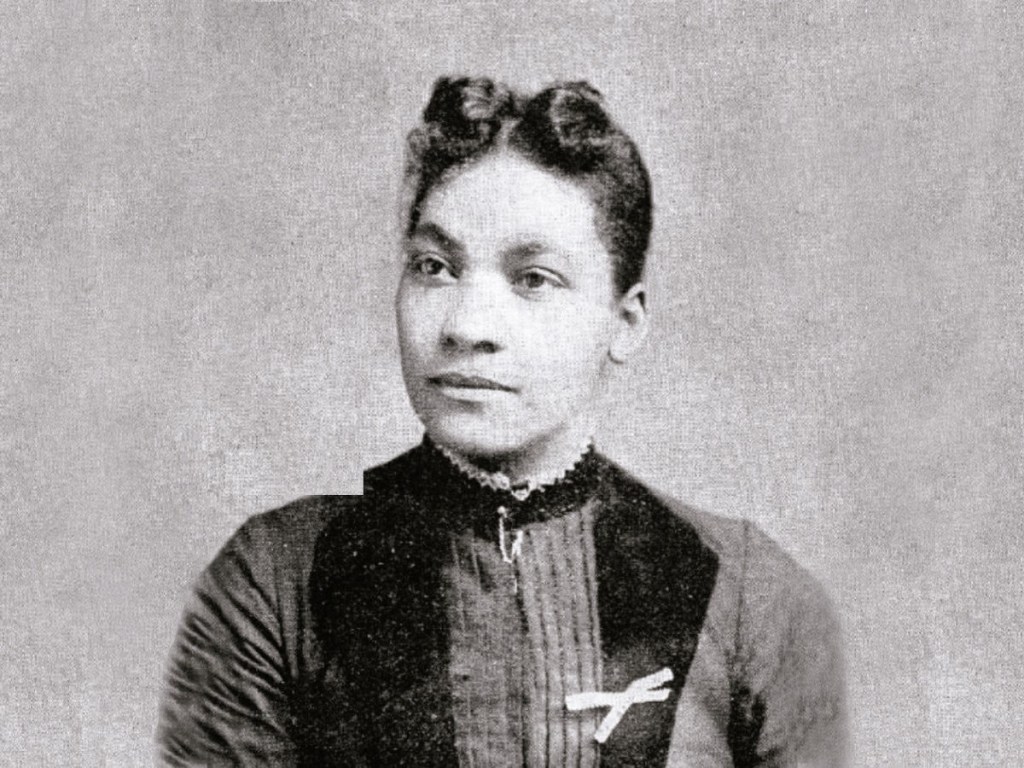
In the annals of American medical history, few stories are as compelling yet overlooked as that of Dr. Rebecca Lee Crumpler, the first African American woman to earn a medical degree in the United States. Born in 1831, at a time when both racial and gender discrimination were rampant in America, Crumpler defied overwhelming odds to forge a path in medicine that would inspire generations to come. Her journey from a nurse’s assistant to a qualified physician, author, and advocate for the underserved represents not just personal triumph, but a significant milestone in the struggle for equality in American healthcare.
Early Life and Inspiration
Rebecca Davis was born on 8th February, 1831, in Delaware to Absolum Davis and Matilda Webber. Rather than being raised by her parents, she grew up under the care of an aunt in Pennsylvania who regularly provided medical care to sick neighbours in her community. This early exposure to healing and caregiving planted the seeds of Crumpler’s future vocation. “Having been reared by a kind aunt in Pennsylvania, whose usefulness with the sick was continually sought,” Crumpler later wrote, “I early conceived a liking for, and sought every opportunity to be in a position to relieve the sufferings of others”.
This formative experience with her aunt was part of a lineage of Black healers dating back to the time of slavery, when enslaved women provided essential care as nurses, midwives, and herbalists on plantations. By 1852, Crumpler had moved to Charlestown, Massachusetts, where she began working as a nurse without any formal education, as nursing schools did not yet exist. For eight years, she performed her medical duties under the supervision of several physicians who recognised her exceptional aptitude and dedication.
Breaking Educational Barriers
In 1860, with strong recommendations from the doctors she had worked alongside, Crumpler took an unprecedented step by applying to the New England Female Medical College in Boston. This institution was remarkable for two reasons: it was the first to award medical degrees to women, and it accepted Crumpler at a time when most medical schools barred all African Americans—both men and women—from attending. Her admission was made possible through a scholarship from the Wade Scholarship Fund, created by Ohio abolitionist Benjamin Wade.
Crumpler’s medical education was briefly interrupted when she had to take leave to care for her ailing first husband, Wyatt Lee, who died of tuberculosis in 1863. Demonstrating remarkable resilience, she returned to her studies and graduated in 1864, becoming the first African American woman in the United States to earn an M.D. degree and the only African American graduate of the New England Female Medical College. At a time when there were only 300 women out of 54,543 physicians in the United States, and none were African American, this achievement was truly extraordinary.
Post-Civil War Medical Practice
After earning her degree, Crumpler initially practiced medicine in Boston. However, following the end of the Civil War in 1865, she felt called to a greater purpose. By then married to her second husband, Arthur Crumpler (a former escaped slave who would later become known as Boston’s oldest pupil), she relocated to Richmond, Virginia. Crumpler viewed this move as an opportunity for “real missionary work” in a field that would provide “ample opportunities to become acquainted with the diseases of women and children”.
In Richmond, Crumpler joined the Freedmen’s Bureau, an organisation established to help formerly enslaved people become self-sufficient. Working with other Black doctors, she provided medical services to a population of over 30,000 freed African Americans who would otherwise have had no access to healthcare. Many of her patients were experiencing their first-ever encounter with a physician. Crumpler served these communities tirelessly, treating patients from dawn until dusk, seven days a week, and providing care free of charge.
Confronting Discrimination
Crumpler’s work in post-Civil War Richmond was conducted under conditions of intense racism and sexism. White doctors routinely ignored her, made jokes at her expense, and discounted her work. Many male physicians refused to approve her prescriptions for patients or listen to her medical opinions, believing that women were intellectually inferior to men. Pharmacies and medical supply stores often refused to serve her, making it difficult for her to obtain necessary medicines and equipment for her patients.
Despite these obstacles, Crumpler remained dedicated to her mission of providing care to those most in need. Her resilience in the face of such discrimination demonstrated not only her personal strength but also her unwavering commitment to her profession and patients.
Return to Boston and Literary Contribution
Around 1869, Crumpler returned to Boston where she continued her medical practice, focusing particularly on women and children. She established a practice at her home on Joy Street in Beacon Hill, treating children “regardless of the parents’ ability to pay for care”. Her home is now recognised as a stop on the Boston Women’s Heritage Trail.
In 1883, Crumpler made another significant contribution to medicine by publishing “A Book of Medical Discourses: In Two Parts”. This groundbreaking work was dedicated to “mothers, nurses, and all who may desire to mitigate the afflictions of the human race”. The book was divided into two sections: the first addressing the care of infants from birth to five years of age, and the second focusing on women’s health issues including puberty, female anatomy, and menopause.
Crumpler’s book was revolutionary not only as one of the first medical texts written by an African American, but also for its focus on preventive medicine and its accessibility to ordinary readers. “I desire that my book shall be as a primary reader in the hands of every woman,” she wrote, emphasising her belief that medical knowledge should not be restricted to professionals. Throughout her text, Crumpler advocated for women to gain formal medical training, a progressive view for her time.
One of the most powerful passages in her book reveals her philosophy on preventable illness: “There is no doubt that thousands of little ones annually die at our very doors, from diseases which could have been prevented, or cut short by timely aid. People do not wish to feel that death ensues through neglect on their part; indeed they speak of consumption, cholera infantum, and diphtheria, etc., as if sent by God to destroy our infants. They seem to forget that there is a cause for every ailment, and that it may be in their power to remove it”.
Legacy and Belated Recognition
Dr. Rebecca Lee Crumpler died on March 9, 1895, in Hyde Park, Massachusetts, at the age of 64. Despite her groundbreaking achievements, she was buried in an unmarked grave alongside her husband Arthur for more than 125 years. It wasn’t until 16th July, 2020, that proper granite headstones were finally placed on their graves, thanks to fundraising efforts by local groups and donations from across the country, including contributions from Boston University Medical School, Harvard Medical School, Tufts University School of Medicine, and the University of Massachusetts Medical School.
Crumpler’s legacy lives on through institutions named in her honor, including the Rebecca Lee Pre-Health Society at Syracuse University and the Rebecca Lee Society, one of the first medical societies for African American women. Her achievements opened doors for future generations of Black women in medicine, though progress remained slow—by 1920, there were still only 65 African American women doctors in the United States.
Conclusion
Dr. Rebecca Lee Crumpler’s life story embodies the triumph of determination over discrimination. As a pioneer who challenged the prejudices that prevented African Americans and women from pursuing medical careers, she created possibilities where none had existed before. Her dedication to serving marginalised communities, her advocacy for preventive medicine, and her belief in the importance of medical education for women were all revolutionary concepts in 19th-century America.
The fact that Crumpler’s grave remained unmarked for over a century and that her name was largely absent from medical history books for generations speaks volumes about the systematic erasure of Black women’s contributions to American medicine and science. By reclaiming and celebrating her remarkable story today, we not only honour her individual achievements but also acknowledge the broader struggle for equality in healthcare that continues to this day.
Bob Lynn | © 2025 Vox Meditantis. All rights reserved.

 Vox Meditantis
Leave a comment