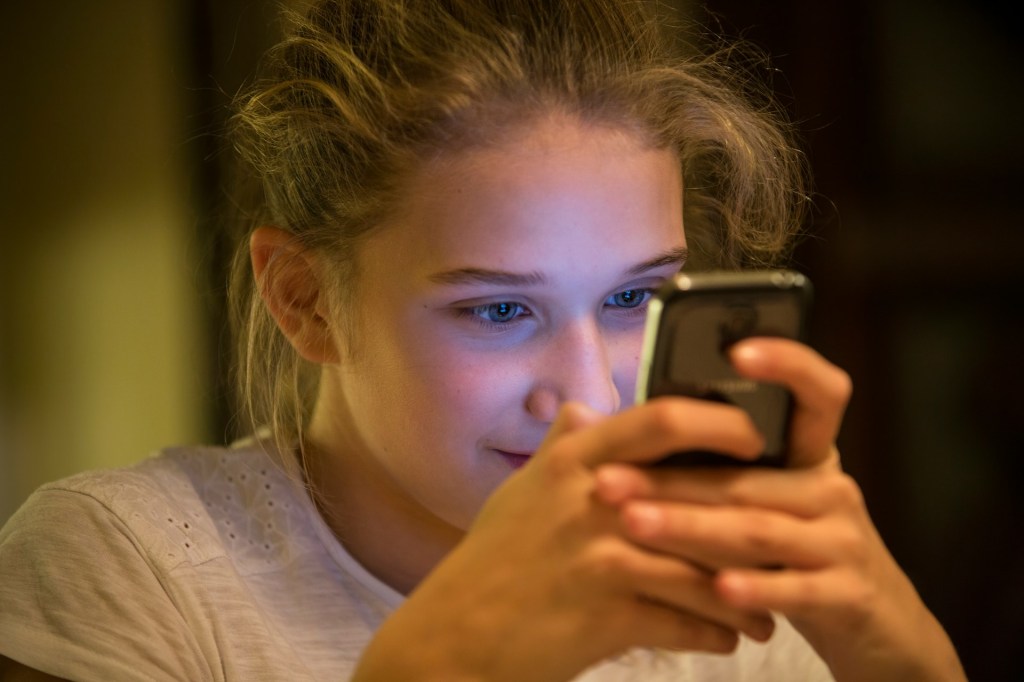
A twelve-year-old girl sits quietly, almost sheepishly, and makes a confession that should shake us all: “I talk to ChatGPT about my hyperfixations because no one else wants to hear about them.” In that simple statement lies a damning indictment of how we’ve failed our children—and a warning about where they’re turning when we’re not listening.
This isn’t merely about technology replacing human connection. It’s about a generation of young people so starved of genuine attention that they’re finding solace in algorithms designed to never tire, never judge, never tell them their interests are boring or strange. The tragedy isn’t that artificial intelligence has become their confidant. The tragedy is that they needed to find one at all.
The Rise of AI as a Confidant
ChatGPT has become the fifth most popular app amongst children aged 8 to 15, ranking second only to YouTube for boys aged 12-15[12]. But here’s what parents don’t grasp: whilst they assume their children are using it for homework help, the reality is far more complex and concerning. Research reveals a significant disconnect between parental assumptions and teenage behaviour—whilst adults view AI as an academic tool, young people are turning to these platforms for emotional support, relationship advice, and social interaction[13].
The appeal is devastatingly obvious. These digital companions offer what many children aren’t receiving elsewhere: unlimited patience, constant availability, and crucially, genuine interest in what they have to say[2]. They don’t roll their eyes when a child wants to discuss their latest obsession for the hundredth time. They don’t check their phones or change the subject. They listen.
For teenagers feeling misunderstood, isolated, or afraid to voice their deepest anxieties, an AI chatbot feels like a lifeline[2]. It offers a non-judgmental ear, 24/7 availability, and a space free from the perceived social risks of human interaction—no fear of gossip, rejection, or that familiar adult exhaustion that children learn to recognise all too well.
Hyperfixations and the Unheard Voice
To understand why that twelve-year-old’s words should alarm us, we must first understand hyperfixation itself. This intense, sustained focus on particular subjects or activities is commonly associated with neurodivergent conditions such as ADHD and autism[18][20]. When autistic people experience hyperfixation, they become fully immersed in their chosen subject, developing encyclopaedic knowledge that could shame university professors.
Yet society has pathologised this remarkable capacity for deep engagement. The literature describes hyperfixation through a persistently negative lens, using terms like “excessive,” “maladaptive,” and “locked-in”[15]. We’ve taught children that their passionate interests are problems to be managed rather than gifts to be celebrated.
Consider the reality: a child who can recite every fact about marine biology, medieval history, or quantum physics is told they’re obsessive. Meanwhile, adults who dedicate similar intensity to football statistics or celebrity gossip are considered enthusiasts. The double standard is both obvious and cruel.
For neurodivergent children especially, these deep interests often represent their primary source of joy and competence. When we dismiss or minimise these fixations, we’re not just rejecting their hobbies—we’re rejecting fundamental aspects of who they are[18]. Is it any wonder they seek out listeners who won’t judge them for caring too much about something?
Loneliness and the Listening Deficit
Britain is experiencing an epidemic of loneliness that we’ve barely begun to acknowledge. Nearly six in ten adults report feeling lonely most, often, or some of the time—that’s 31.4 million people[19]. The statistics for young people are even more stark: seven in ten 18-24 year olds report feeling lonely, compared to under half of those over 65[19]. Among young women specifically, 49% aged 18-24 feel lonely some or all of the time[16].
But these figures tell only part of the story. Behind each statistic lies a child who learned early that their inner world wasn’t particularly interesting to the adults around them. Not through malice—rarely through malice—but through the countless small signals that their enthusiasms were inconvenient, their questions too numerous, their fascinations too intense.
Research demonstrates the devastating impact of perceived emotional neglect on children’s development. Children who experience emotional neglect—defined as lack of interaction and emotional unresponsiveness from parents—face over twice the odds of psychiatric disorder by age 15[10]. This isn’t about deliberate cruelty; it’s about the absence of genuine engagement with children’s emotional and intellectual lives.
We’ve created a culture where children perform emotional labour from an early age, learning to shrink their enthusiasms to fit adult comfort levels. They discover that passion makes people uncomfortable, that deep knowledge intimidates, that expressing genuine excitement about their interests marks them as odd or difficult.
What It Means When AI Listens
When children turn to artificial intelligence for the validation they can’t find elsewhere, we should feel more than sadness—we should feel shame. These platforms offer something we’ve failed to provide: consistent, patient engagement with young people’s inner lives[5].
AI chatbots provide stigma-free, 24/7 mental health support, creating judgment-free spaces where young people can express themselves freely[5]. They’re particularly valuable for socially anxious or neurodivergent teens who find human interaction overwhelming. Research suggests potential short-term relief from symptoms of anxiety and depression, reducing barriers like cost and stigma that prevent young people from seeking human help[2].
Yet this technological solution comes wrapped in ethical complexity. What happens when machines demonstrate more patience than parents? When algorithms show more interest than teachers? When artificial intelligence provides the emotional attunement that should come from human relationships?
We’re witnessing children form meaningful relationships with entities incapable of genuine care or understanding. These AI companions can simulate empathy, but they cannot truly empathise. They can process language about emotions, but they cannot feel. The risk isn’t just that children prefer digital interaction—it’s that they’re learning to accept simulation as sufficient substitution for genuine human connection.
The Mirror We’ve Been Handed
That twelve-year-old’s quiet confession forces us to confront uncomfortable truths about how we engage with children’s inner worlds. Her words weren’t just sad—they were an accusation. They asked: Why don’t you want to hear? Why isn’t my passion interesting enough? Why do I have to seek understanding from a machine?
The answer isn’t more restrictions on AI usage or moral panics about screen time. The answer is becoming the listeners our children need us to be. This means asking genuine questions about their interests, not dismissive ones. It means showing curiosity rather than tolerance. It means understanding that a child’s hyperfixation isn’t a problem to solve but a window into their remarkable capacity for deep engagement.
Small changes in adult behaviour could transform young people’s experiences. When a child wants to share their latest discovery, we can choose fascination over fatigue. When they explain complex details about their interests, we can choose engagement over endurance. When they demonstrate passionate knowledge, we can choose celebration over concern.
The irony is brutal: we’ve developed artificial intelligences capable of infinite patience with our children whilst we ourselves have none to spare. We’ve created digital entities that never tire of young people’s questions whilst we sigh at their enthusiasm. We’ve built machines more interested in children’s hyperfixations than we are.
The Choice Before Us
This isn’t ultimately a story about technology—it’s a story about attention. It’s about what happens when children conclude that machines care more about their thoughts than humans do. It’s about the quiet tragedy of young people seeking understanding from entities that cannot truly understand.
We stand at a crossroads. We can continue allowing artificial intelligence to fill the gaps in our attention, letting algorithms provide the patient engagement we’ve failed to offer. Or we can recognise that twelve-year-old’s confession as the wake-up call it was meant to be.
Children will always seek listeners. They will always need spaces to share their passionate interests and deep thoughts. The question isn’t whether they’ll find these spaces—it’s whether we’ll provide them ourselves or leave the job to machines.
If we don’t listen, they’ll find someone—or something—that will. That girl already has.
Bob Lynn | © 2025 Vox Meditantis. All rights reserved.
This article was inspired by a thought-provoking post by the wonderful Anna Goodall on Bluesky, whose insight into this quiet crisis deserved deeper exploration.
Photo by Johnny Cohen on Unsplash
References:
[1] Is ChatGPT safe for all ages? – OpenAI Help Center
[2] The Digital Confidante: When AI Becomes a Teenager’s Closest …
[3] Mindful AI tools for kids – Morrama Lab
[4] Artificial Intelligence-Driven Analysis of Telehealth Effectiveness in …
[5] AI Chatbots For Youth Mental Health
[6] Chat-GPT: Opportunities and Challenges in Child Mental Healthcare
[7] How AI Can Impact Childhood Loneliness
[8] How to Improve Listening Skills in Children with ADHD and Autism
[9] Belong Collective – tackling youth loneliness – UK Youth
[10] Children’s perceptions of parental emotional neglect and control and …
[11] Children’s mental health – Every Mind Matters – NHS
[12] ChatGPT and Kids: A Parent’s Essential Guide – Hey Kiddo App
[13] Parents think it’s homework help — Here’s how teens are really …
[14] Will AI Companion Bots be Beneficial for Teens?
[15] Hyperfocus or flow? Attentional strengths in autism spectrum disorder
[16] Almost half of young women feel lonely in the UK, according … – ITVX
[17] ChatGPT children app policy – API – OpenAI Developer Community
[18] Autism Hyperfixation: What You Need to Know
[19] [PDF] Lonely Nation Part 1 – The Centre for Social Justice
[20] Hyperfixation in ADHD and Autism | Above and Beyond Therapy
[21] ChatGPT and AI: a parent guide
[22] How ChatGPT Works in 2025: A Simple Guide for Explaining AI to Kids
[23] What do I need to know about ChatGPT? A guide for parents and …
[24] AI Chatbots have shown they have an ’empathy gap’ that children …
[25] Teens are forming bonds with AI chatbots, raising concerns.
[26] AI chatbots and companions – risks to children and young people
[27] Teen Relationships With AI Chatbots: What Parents Should Know
[28] Understanding and Embracing Hyperfixation in ADHD and Autism
[29] What is a Hyperfixation in Autism? – Apex ABA Therapy
[30] Community Life Survey 2023/24: Loneliness and support networks
[31] Facts and Statistics – Campaign to End Loneliness
[32] Addressing the youth loneliness epidemic this World Mental Health …
[33] ADHD and Autistic Kids: Hyperfocus and SPINs – Schoolio
[34] The friendships of children and youth with attention-deficit …
[35] Importance of Teaching Active Listening to Children in Self-Esteem
[36] Autism Hyperfixation | What It Looks Like in Kids – Goally
[37] Traits of Developmental Disorders in Adults With Listening …
[38] Childhood emotional neglect can lead to more hostile and …


 Vox Meditantis
Leave a comment