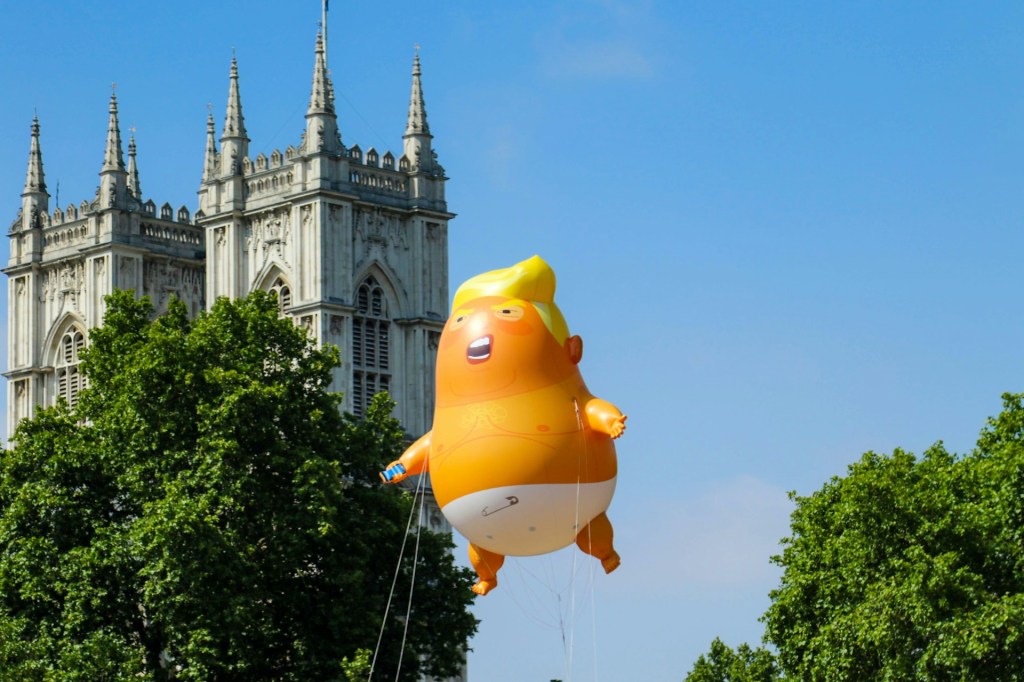
The rise of populist movements across the Western world represents one of the most urgent threats to liberal democracy in our lifetime. From Nigel Farage’s Reform UK party now polling at unprecedented levels to Donald Trump’s return to the White House, populist politics has moved from the fringes to the mainstream with alarming speed. Yet defining populism itself remains maddeningly elusive, creating a dangerous blind spot in our understanding of how democracy can defend itself against those who would dismantle it from within.
The Definitional Maze That Obscures Real Danger
Populism’s greatest weapon may be its very ambiguity. Scholars describe it as a “thin-centred ideology” that divides society into two antagonistic groups: “the pure people” and “the corrupt elite”[1]. This wafer-thin definition allows populism to attach itself to virtually any political programme, whether left-wing or right-wing, making it remarkably adaptable and therefore dangerous.
The academic debates over whether populism constitutes an ideology, a communication style, or a political logic might seem arcane, but they matter enormously. When politicians can cloak authoritarian impulses in the language of popular sovereignty, the very flexibility of populist discourse becomes a threat to democratic institutions. Research shows that populist communication emphasises “heightened emotionality, dramatisation, and the use of colloquial language” to appeal to ordinary people whilst performing “anti-establishment stances”[2].
This is precisely the strategy we observe in Farage’s recent surge. His party’s focus on “immigration, cost of living, and political reform” has resonated with “disillusioned voters across traditional party lines”[7], demonstrating how populist appeals transcend conventional ideological boundaries. The danger lies not in the issues themselves, but in how populist framing reduces complex policy challenges to simple battles between virtuous people and corrupt elites.
The Democratic Façade of Authoritarian Intent
The most pressing question facing liberal democracies is whether populism can ever be genuinely democratic or whether it inevitably tends towards authoritarianism. The evidence increasingly points towards the latter. Whilst populists accept “principles of popular sovereignty and majoritarianism,” they remain “sceptical about constitutionalism and liberal protections for individuals”[6].
Populist movements systematically undermine the institutional safeguards that protect minority rights and constrain executive power. They portray the judiciary and media as “disconnected from the populace”[1], creating fertile ground for what John Stuart Mill termed the “tyranny of the majority.” When populist leaders claim to represent the authentic will of the people, they inevitably bypass or actively undermine the checks and balances essential to liberal democracy.
The current trajectory of Reform UK exemplifies this pattern. Recent polling suggests the party could win 362 MPs and a commanding majority if elections were held today[7], representing a stunning transformation for a party that held just five seats. Yet Reform’s platform includes leaving the European Convention on Human Rights and replacing democratic institutions with “more democratic” alternatives[11] – classic populist double-speak that promises greater democracy whilst dismantling its foundations.
Farage’s Masterclass in Populist Performance
Nigel Farage represents perhaps the most sophisticated populist operator in contemporary British politics. His transformation from UKIP insurgent to Brexit champion to Reform leader demonstrates populism’s remarkable adaptability. Founded originally as the Brexit Party in 2018, Reform UK has continuously reinvented itself whilst maintaining core populist themes[11].
Farage’s genius lies in his ability to perform authenticity whilst wielding considerable political sophistication. His “colloquial language” and “anti-establishment stances”[2] mask a calculated strategy to capture voters disillusioned with mainstream politics. The party’s evolution from single-issue Brexit advocacy to a broader platform opposing “further COVID-19 lockdowns” and promising to “freeze immigration”[8] shows how populist movements adapt their messaging to exploit current anxieties.
The recent polling breakthrough – with Reform reaching 25% support for the first time[8] – reflects not just policy preferences but the success of populist communication techniques. Farage’s rhetoric consistently divides British society into virtuous “ordinary people” versus corrupt political elites, precisely the binary thinking that characterises populist discourse[3].
Trump’s Template for Democratic Subversion
Donald Trump’s populist playbook provides the clearest warning of where Farage-style politics leads. Trump’s rhetoric exemplifies the “absolutist framings and threat narratives rejecting the political establishment”[16] that define populist communication. His speeches create “collective effervescence” amongst supporters by exploiting crowd psychology to “affirm their unity”[16].
The January 6th assault on the Capitol represents the logical endpoint of populist rhetoric that delegitimises democratic institutions. Trump’s “Save America” speech perfectly demonstrated how populist narratives can “sway the masses” by defining supporters as “the real people” in contrast to corrupt elites[19]. This wasn’t accidental demagoguery but the systematic application of populist techniques that frame political opposition as existential threats to popular sovereignty.
Trump’s approach reveals populism’s inherent authoritarianism. By claiming exclusive representation of “the people,” populist leaders justify dismantling institutional constraints on their power. The “strong personalisation of power” becomes inevitable when leaders position themselves as the sole authentic voice of popular will[4].
Elite Failure or Cynical Manipulation?
The rise of populist movements forces uncomfortable questions about elite responsibility. Populism undoubtedly responds to real grievances – economic dislocation, cultural change, and political alienation create genuine demand for alternative voices. Studies identify “high levels of inequality and growing unease with globalisation, immigration, and the elite” as key drivers of populist support[14].
Yet this response too often becomes cynical manipulation. The description of American politics as “the manipulation of populism by elitism” – where plutocratic agendas masquerade “in the dress of the common people”[5] – captures this perfectly. Populist leaders exploit genuine grievances whilst offering solutions that benefit wealthy backers rather than ordinary voters.
Reform UK’s tax proposals exemplify this pattern. Analysis shows their plans “disproportionately benefit high earners,” with proposed changes resulting in “a tax cut of close to £6,000 for the top 10% of earners”[11]. This represents classic populist manipulation – anti-elite rhetoric married to pro-elite policies.
Threat or Democratic Corrective?
The final question is whether populism can ever serve as a democratic corrective or whether it represents an unmitigated threat. Some scholars argue populism can “help redeem liberal democracy from its shortcomings when operating in opposition” by mobilising excluded groups and raising awareness of popular grievances[1].
This view fundamentally misunderstands populism’s corrosive effects. Whilst populist movements may highlight legitimate concerns, their solutions invariably worsen democratic dysfunction. The polarisation populism creates makes “it hard for democracy to effectively function” and increases “the risk of democratic decline”[14].
The evidence from countries where populist parties have gained power is unambiguous. Populist governance leads to “colonisation of the state, mass clientelism and mass corruption, and the systematic repression of civil society”[4]. These are not unfortunate side effects but inevitable consequences of populist logic.
The Democratic Response
Liberal democracy faces its greatest challenge in generations. The rise of Reform UK and the return of Trump demonstrate that populist movements have learned to exploit democratic processes to undermine democracy itself. The time for complacency has long passed.
Defending democracy requires more than electoral victory – it demands institutional reform that addresses the legitimate grievances populists exploit whilst strengthening democratic safeguards against authoritarian capture. We must reject the false choice between elite failure and populist authoritarianism. The answer to democracy’s problems is more democracy, not less – but democracy fortified against those who would destroy it from within.
The stakes could not be higher. When populist leaders promise to restore power to “the people,” they invariably mean power to themselves. History offers no examples of populist movements that voluntarily relinquished power once obtained. Democracy’s survival depends on recognising this fundamental truth before it’s too late.
Bob Lynn | © 2025 Vox Meditantis. All rights reserved.
Photo by David Lowe on Unsplash
References:
[1] Populism – Wikipedia
[2] Right-wing populism and the dynamics of style: a discourse-analytic …
[3] Populism: Root Causes, Power Grabbing and Counter Strategy
[4] The two faces of populism: Between authoritarian and democratic …
[5] OWS and the Politicians: Against the Manipulation of Populism by …
[6] The Populist Challenge to Liberal Democracy
[7] Bombshell new poll predicts Nigel Farage on course to win next general election
[8] Nigel Farage’s right-wing Reform Party leads in UK poll for first time
[9] Donald Trump and the language of populism
[10] Threat or Corrective? Assessing the Impact of Populist Parties in …
[11] Reform UK – Wikipedia
[12] [PDF] Unpacking the Role of “Thin” and “Thick” Ideology – UCL Discovery
[13] [PDF] Populism in Communications Perspective: Concepts, Issues, Evidence
[14] Combating Populism – CNAS
[15] [PDF] The two faces of populism: Between authoritarian and democratic …
[16] Trumpism – Wikipedia
[17] [PDF] The Dangerous Myth of Populism as a Thin Ideology
[18] Fear, Grievance, and the Other: How Authoritarian Populist Politics …
[19] How Donald Trump’s populist narrative led directly to the assault on …
[20] Rhetoric of Donald Trump – Wikipedia
[21] Cas Mudde: “Populism is a thin-centered ideology” – Ufficio Stampa
[22] Cas Mudde – Populism in the Twenty-First Century: An Illiberal …
[23] The Dangerous Myth of Populism as a Thin Ideology in – Brill
[24] Democracy in the Shadow of the Global Rise in Authoritarian Populism
[25] How to understand the rise of authoritarian populism – the Loop: ECPR
[26] Populism: Authoritarian and Democratic – jstor
[27] Reform UK and Farage most trusted on immigration as confidence in Labour and Conservatives falls
[28] Tories sink to lowest ever poll rating
[29] There’s a term for Trump’s political style: authoritarian populism
[30] Trump ran as a populist. He’s governing as an elitist. He’s not the first.
[31] Three elections, one message: Europe’s Maga populists are on the rise
[32] MAGA goes global: Trump’s plan for Europe
[33] If Trump and Sanders Are Both Populists, What Does Populist Mean?
[34] Threat or corrective to democracy? The relationship between …
[35] The ambivalence of populism: threat and corrective for democracy
[36] Populism in Europe and the Americas
[37] Softening the corrective effect of populism: populist parties’ impact …
[38] Leader of Reform UK – Wikipedia
[39] Reform UK | political party, United Kingdom – Britannica
[40] Reform UK
[41] Why populism always fails – UnHerd
[42] [PDF] The populist threat to liberal democracy – EconStor
[43] MAPPED: Tories reduced to just 10 seats in bombshell new poll after Nigel Farage vows: ‘It’s over… It’s done’
[44] Reform’s Highest Vote Share in Survation Voting Intention Polling …
[45] Nigel Farage – Wikipedia
[46] What does the rise of Reform UK mean for the impact sector? 6 …
[47] New Polling: Reform UK is Closer to Power Than You Think
[48] Could Reform UK’s surge translate into power? – LSE Blogs
[49] SMAD Studies Trump’s Populist Debate Style and How it Shaped …
[50] Elite Failure – Hannah Arendt Center
[51] A ‘Turn To The Right’: Donald Trump And The Rise Of Populist …
[52] [PDF] The populist style and public diplomacy : kayfabe as performative …
[53] MAGA movement | Meaning, Beliefs, Origins, Donald Trump, & Facts
[54] The Truth about MAGA: Plutocrats in Populist Clothing – Fair Observer
[55] Donald Trump 2016 presidential campaign – Wikipedia
[56] Our History – Electoral Reform Society – ERS
[57] Reform UK: Where did party come from and what are its policies?
[58] Party Domination and Base Mobilization: Donald Trump and …
[59] The ambivalence of populism: threat and corrective for democracy
[60] Populist Democrats? Unpacking the Relationship Between Populist …
[61] Populism as a Threat to Liberal Democracy – Oxford Academic
[62] [PDF] POPULISM: a corrective or a threat to democracy? – EUCAnet
[63] Reform UK – Simple English Wikipedia, the free encyclopedia
[64] The Full History of Reform UK – Eustochos
[65] Who are Reform UK, where did they come from and what are their …
[66] What does Reform UK stand for? – The Week
[67] Nigel Farage’s Brexit Party officially changes its name – BBC News
[68] The Reform Party in Parliament – Oxford Academic

 Vox Meditantis
Leave a comment